

Solo Camping for Two Review 2026 Hidden Truth Revealed
At first glance, Solo Camping for Two may sound like a contradiction. How can something be “solo” when there are two people involved? However, this charming slice-of-life anime quickly reveals that it is less about camping alone and more about finding the right balance between solitude and companionship. In this Solo Camping for Two review, we’ll explore whether this unique story deserves a place on your watchlist.
Based on the popular Futari Solo Camp manga, the series follows Gen Kinokura, a devoted solo camper whose peaceful routine is disrupted by the energetic Shizuku Kusano. What begins as an unusual partnership slowly develops into a heartfelt story about personal boundaries, unexpected connections, and the comfort found in simple outdoor moments. If you’re wondering, “Is Solo Camping for Two worth watching?”, this review will help you decide.
For these sections, I’ll keep the content balanced, informative, and within the overall 1,400–1,500-word target while naturally incorporating the important keywords.
Why Everyone Is Talking About Solo Camping for Two
Growing Interest Around the Series
In a genre filled with action-packed adventures and dramatic twists, Solo Camping for Two has managed to attract attention by doing the exact opposite. This slice-of-life anime embraces simplicity, inviting viewers into a slower and more peaceful experience. Adapted from the popular Futari Solo Camp manga, the series has sparked conversations among anime fans who appreciate stories built around everyday moments rather than constant conflict.
Many viewers searching for a Solo Camping for Two review are curious to know whether this quiet approach actually works. Surprisingly, the growing interest around the series suggests that audiences are eager for stories that feel comforting, grounded, and emotionally honest.
Why the Premise Immediately Grabs Attention
The idea behind the series is unusual from the start. A man who treasures complete independence suddenly finds himself sharing his camping experiences with someone who views the outdoors very differently. This contrast creates instant curiosity.
Unlike many modern anime that rely on mystery or spectacle, Solo Camping for Two draws viewers in through a simple question: can two very different people enjoy solitude together? That intriguing setup encourages audiences to discover how their relationship develops.
The Meaning Behind “Camping Together Alone”
The title reflects one of the series’ most important themes. It is not about abandoning independence. Instead, it explores the possibility of maintaining your personal space while allowing others into your life.
Through camping, the story examines solitude versus companionship, showing that meaningful connections do not always require sacrificing who you are. This emotional balance is one reason many viewers find the series refreshing.
Why the Title Confuses Many First-Time Viewers
For newcomers, the phrase Solo Camping for Two sounds contradictory. Some assume it is a romantic comedy, while others expect a traditional outdoor adventure. However, the title becomes more meaningful once you understand its message.
It represents two individuals learning how to coexist without losing their sense of self. That unique perspective helps the series stand out from other camping anime and contributes to its growing popularity.
What Is Solo Camping for Two About?
Plot Overview (Spoiler-Free)
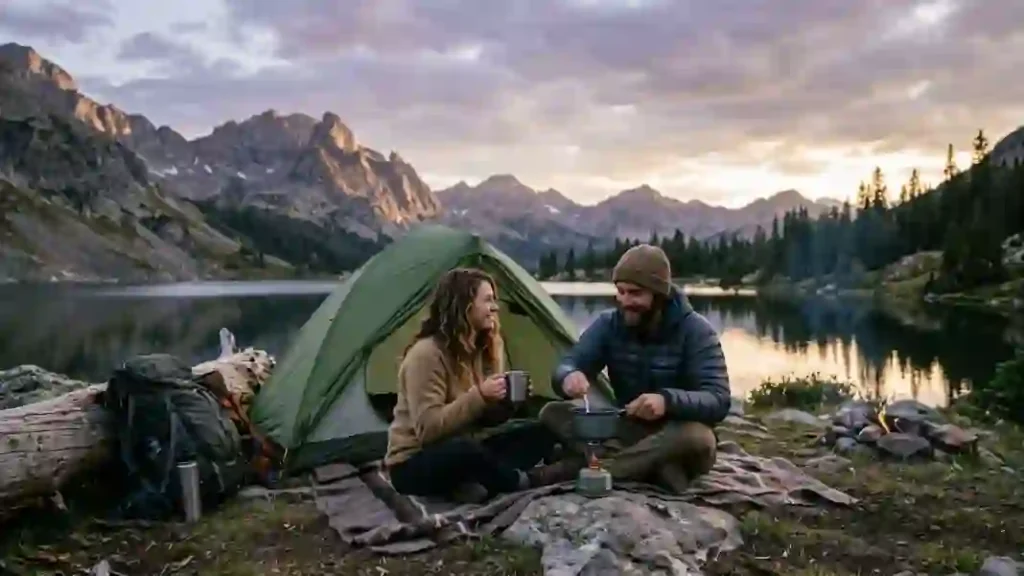
Solo Camping for Two follows Gen Kinokura, a dedicated solo camper who enjoys the peace and routine of spending time alone in nature. His carefully structured lifestyle changes when he crosses paths with Shizuku Kusano, an inexperienced but enthusiastic young woman eager to learn about camping.
Their unexpected partnership forms the heart of this Futari Solo Camp review, creating a story that focuses less on dramatic twists and more on personal growth and human connection.
The Story Setup
Gen has always preferred solitude. Camping allows him to escape distractions and recharge in his own way. Shizuku, however, brings energy, curiosity, and spontaneity into his carefully planned world.
Their differing approaches to life create situations that are both humorous and heartfelt. Rather than forcing immediate friendship, the series gradually explores how trust and understanding develop over time.
The Main Conflict
The central conflict is not about defeating villains or overcoming dangerous obstacles. Instead, it revolves around whether Gen can protect the independence he values while making room for another person in his life.
At the same time, Shizuku must learn that companionship also means respecting boundaries. This internal struggle gives the story emotional depth and makes it relatable for many viewers.
What Makes the Premise Different From Typical Slice-of-Life Anime
Many slice-of-life anime focus on school clubs, friendships, or daily routines in familiar settings. Solo Camping for Two takes a different approach by placing its characters in the calm and isolated world of camping.
The outdoor setting adds authenticity to the storytelling, while themes such as personal boundaries, self-discovery, and emotional growth give the series a mature perspective. That is what makes this Solo Camping for Two anime feel unique.
You Might Also Like: Best Camping Gear Checklist
Meet the Main Characters
Gen Kinokura: Personality and Motivations
Gen Kinokura is practical, disciplined, and deeply committed to his solo lifestyle. He values preparation, routine, and the quiet comfort that comes from spending time alone. His motivation is simple: camping gives him the freedom and peace he cannot find elsewhere.
His greatest strength is his reliability and experience. However, his reluctance to let others get close can sometimes make him appear distant or stubborn.
Shizuku Kusano: Personality and Growth Potential
Shizuku Kusano brings warmth and enthusiasm into the story. Although she lacks experience, her eagerness to learn and positive attitude make her an engaging presence.
She challenges Gen’s lifestyle by questioning his strict approach to solitude. Throughout the series, Shizuku shows the potential for growth as she discovers both the joys and responsibilities of camping.
Their Dynamic: Chemistry and Tension
The relationship between Gen and Shizuku is what truly drives the narrative. Their personalities frequently clash, creating moments of frustration, humor, and unexpected understanding.
At its core, their dynamic explores personal boundaries and mutual respect. Instead of rushing emotional development, the series allows their connection to evolve naturally. This thoughtful approach is one of the biggest reasons why many viewers believe Solo Camping for Two is worth watching.
Episode 1 Review & First Impressions
The Opening Scenes and Initial Hook
The first episode of Solo Camping for Two opens in a calm and grounded way, immediately setting the tone for a slow slice-of-life anime. Instead of rushing into conflict, it introduces the peaceful world of camping through Gen Kinokura’s solo lifestyle. The opening works as a gentle hook, especially for viewers interested in nature-focused storytelling and the idea behind Futari Solo Camp adaptation.
The early scenes also hint at the emotional contrast that will define the series, making viewers curious about how two very different personalities will eventually share the same space.
What Worked Surprisingly Well
One of the strongest parts of Episode 1 is its atmosphere. The camping visuals, quiet moments, and natural pacing create a relaxing mood that feels different from typical anime openings. Gen’s detailed approach to setting up camp also adds realism and makes the experience feel authentic.
Another highlight is the introduction of Shizuku Kusano. Even in her early appearance, she brings energy and unpredictability, which balances Gen’s structured personality.
Moments That Didn’t Fully Land
While the episode is strong in mood, some viewers may feel that it moves too slowly. There are extended scenes focused on routine camping tasks, which may not appeal to audiences expecting faster storytelling.
Additionally, the emotional stakes are still very low in Episode 1. For some viewers, this lack of immediate conflict might reduce early engagement.
How Episode 1 Sets Expectations
Episode 1 clearly establishes that Solo Camping for Two anime is not focused on action or drama. Instead, it prepares viewers for a story built on character growth, emotional subtlety, and everyday camping experiences.
It also sets the expectation that the series will explore solitude vs companionship, rather than traditional plot-driven storytelling.
Would It Convince Viewers to Continue?
Whether Episode 1 convinces viewers depends on personal taste. Fans of slice-of-life anime and slow storytelling will likely stay engaged, while those looking for fast-paced development may hesitate.
Overall, it works best as a tone-setting introduction rather than a high-impact pilot.
Storytelling and Pacing Analysis
Slow-Burn Narrative Style
Solo Camping for Two review discussions often highlight its slow-burn storytelling approach. The series avoids rushing character development and instead focuses on gradual emotional shifts.
This style allows viewers to fully absorb the camping environment and character interactions, making each small moment feel meaningful.
Episodic Structure
The show follows a mostly episodic structure, where each camping experience contributes to character development rather than a single overarching plot.
This structure makes the anime easy to watch casually, but it also means long-term plot progression is subtle.
Does the Plot Progress Enough?
For viewers expecting strong narrative momentum, the progression may feel minimal. However, for those who enjoy character-driven storytelling, the slow development feels intentional rather than lacking.
The series prioritizes emotional depth over plot complexity.
Balancing Relaxation With Engagement
One of the biggest strengths of Solo Camping for Two anime is its ability to create a relaxing atmosphere. However, this also creates a challenge: keeping the audience engaged without high tension or dramatic stakes.
The show balances this by focusing on interactions between Gen and Shizuku, using their differences to maintain interest.
Will the Pacing Divide Audiences?
Yes, the pacing is likely to divide viewers. Some will appreciate the calm, meditative storytelling, while others may find it too slow or uneventful.
This is typical for slice-of-life camping anime, where mood often matters more than plot.
The Emotional Core of Solo Camping for Two
Solitude vs Companionship
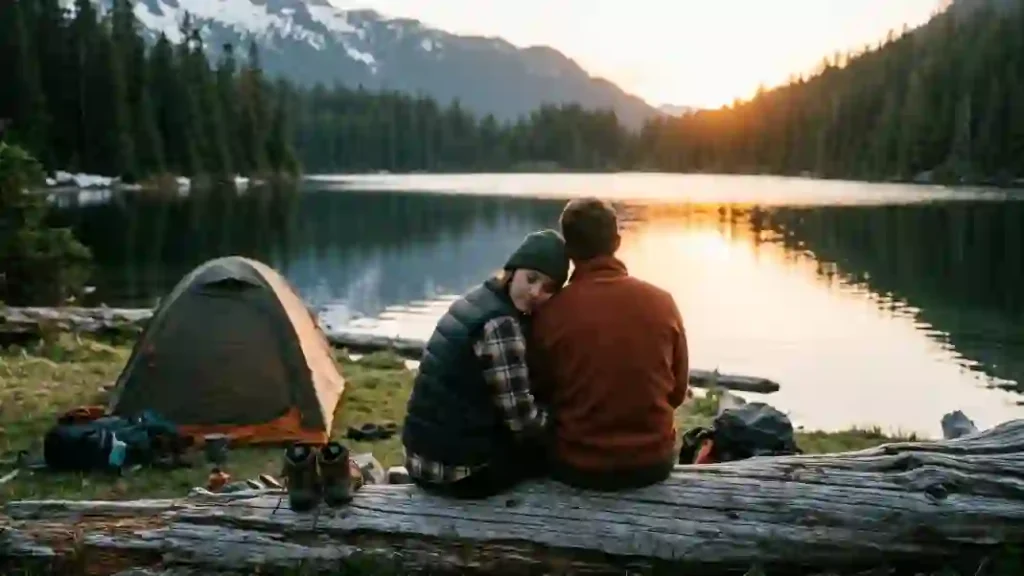
At the heart of the series lies the conflict between being alone and being together. Gen values solitude deeply, while Shizuku represents connection and curiosity. Their interactions constantly explore whether it is possible to enjoy both.
Respecting Personal Boundaries
One of the strongest emotional themes is respecting personal boundaries. Gen’s need for space is not treated as a flaw, and Shizuku’s presence challenges how boundaries can be understood rather than ignored.
This makes the story feel mature and realistic.
The Fear of Letting Others In
The series subtly explores the fear of emotional closeness. Gen’s hesitation to fully open up reflects a common real-life struggle, especially for introverted individuals who find comfort in isolation.
Finding Comfort in Shared Experiences
Despite differences, both characters gradually discover that shared experiences can still feel peaceful. Camping becomes a bridge between their personalities, allowing them to connect without forcing emotional change.
Healing Through Everyday Moments
Rather than dramatic events, the series uses small, everyday camping moments as emotional healing tools. Cooking, setting up tents, and enjoying nature all contribute to a sense of calm and reflection.
This is one of the reasons why many viewers find Solo Camping for Two worth watching, especially if they enjoy emotionally gentle storytelling.
The Camping Experience as a Character
How Camping Shapes the Story
In Solo Camping for Two anime, camping is not just a background activity. It actively shapes the story and influences how the characters interact. Every decision, from choosing a site to setting up equipment, becomes part of the narrative flow. This makes the series feel grounded and gives weight to even simple moments.
For viewers reading a Solo Camping for Two review, this is one of the most noticeable strengths because the outdoor experience is treated with real importance rather than being decorative.
Nature’s Role in the Series
Nature plays a quiet but powerful role in the story. The changing weather, open landscapes, and peaceful surroundings reflect the emotional state of the characters. Instead of loud drama, the series uses natural settings to express mood and growth.
This approach strengthens the slice-of-life anime identity and helps viewers feel connected to the environment.
Campsite Atmosphere and Immersion
The campsite scenes are carefully designed to feel immersive. The sound of wind, crackling fire, and distant nature elements create a calming atmosphere. This attention to detail makes viewers feel like they are part of the camping experience rather than just watching it.
Food and Cooking Sequences
One of the most enjoyable parts of the series is the cooking segments. Simple meals prepared outdoors feel warm and satisfying. These scenes slow down the pace in a good way and highlight the comfort of basic living in nature.
Food becomes a shared experience that helps build subtle connections between Gen and Shizuku.
Why the Outdoor Details Feel Authentic
The series takes time to show realistic camping steps, which adds authenticity. From setting up tents properly to managing supplies, the details feel practical and believable.
This realism is one reason Futari Solo Camp adaptation fans appreciate the show, as it respects the source material’s focus on outdoor life.
The Philosophy of Solo Camping
At its core, the series explores the philosophy of solo camping as a lifestyle choice. It is not about isolation alone, but about understanding yourself in a quiet environment.
This idea deepens the meaning behind the title Solo Camping for Two, showing that independence and companionship can exist together.
Themes and Hidden Messages

Independence Without Isolation
One of the strongest themes is learning how to stay independent without completely shutting others out. Gen’s lifestyle shows that solitude can be peaceful, but the series also questions whether complete isolation is truly fulfilling.
Self-Discovery Through Routine
Daily camping routines become a form of self-reflection. Simple tasks like preparing food or organizing gear allow characters to understand themselves better. This subtle storytelling is often overlooked in typical slice-of-life anime discussions.
Learning to Trust Others
Shizuku’s presence introduces the idea of trust. Gen slowly learns that allowing someone into his space does not automatically mean losing control of his life. Instead, it can create balance.
Introversion and Human Connection
The series carefully explores introversion, showing that people who enjoy being alone are not necessarily lonely. At the same time, it suggests that human connection still has value, even for those who prefer solitude.
This balance is a key reason many viewers find Solo Camping for Two worth watching.
Why This Story Resonates Emotionally
The emotional impact of the series comes from its simplicity. It does not rely on dramatic twists but instead focuses on relatable feelings like hesitation, curiosity, and gradual trust.
This emotional honesty makes the story feel more realistic and memorable.
Visuals, Direction, and Sound Design
Animation Quality
The animation style is clean and simple, focusing more on atmosphere than flashy movement. This supports the calm tone of the series and fits well with its slice-of-life camping anime identity.
Background Art and Scenic Beauty
The background art is one of the strongest elements. Forests, rivers, and campsites are drawn with soft detail, creating a peaceful viewing experience. The natural scenery often becomes the highlight of each scene.
Direction and Scene Composition
The direction is slow and deliberate. Long shots are used to emphasize silence and space, allowing viewers to feel the calmness of the environment. This style strengthens immersion.
Soundtrack and Atmosphere
The soundtrack is minimal but effective. Soft music combined with natural sound effects enhances the relaxing tone. Fire crackles, wind, and ambient nature sounds play a major role in building atmosphere.
How Production Enhances Relaxation
Every production element works together to create a calming experience. Instead of distracting viewers, visuals and sound design support the emotional tone of the story, making it feel like a quiet escape from daily life.
Adaptation Analysis
Is It Faithful to the Manga?
As a Futari Solo Camp adaptation, the series stays mostly faithful to the original manga’s tone and structure. It preserves the focus on camping details and character-driven storytelling while adjusting pacing for animation.
What the Adaptation Improves
The anime version enhances atmosphere through motion, sound, and background detail. Scenes that felt static in manga form gain life through animation, especially camping preparation and nature sequences.
What Manga Readers May Miss
Some manga readers may feel that the pacing is slower compared to the source material. Certain internal thoughts and detailed explanations are reduced, which slightly changes the storytelling rhythm.
Differences Between Versions
While the core story remains the same, the anime places more emphasis on mood and visual experience. The manga leans more into detailed explanations of camping techniques, while the anime focuses on emotional tone.
Which Version Offers the Better Experience?
Both versions offer value, but the anime may appeal more to viewers who enjoy atmosphere and relaxation. The manga, on the other hand, provides deeper technical insight into camping life.
For most casual viewers exploring a Solo Camping for Two review, the anime is the more accessible starting point.
What Solo Camping for Two Gets Right
Authentic Character Interactions
One of the strongest points of Solo Camping for Two anime is how naturally the characters interact. Conversations between Gen Kinokura and Shizuku Kusano never feel forced. Instead, they slowly evolve based on trust, misunderstanding, and curiosity. This makes their relationship feel realistic and easy to follow.
Unique Camping Perspective
Unlike many other slice-of-life anime, this series treats camping as a central experience rather than a background hobby. It shows practical details, emotional reflection, and personal challenges through outdoor life. This unique focus helps it stand out in the crowded camping genre.
Emotional Honesty
The story does not exaggerate emotions or rely on dramatic twists. Instead, it stays grounded. Characters express doubt, comfort, hesitation, and growth in a simple but honest way. This emotional realism is one of the reasons many viewers searching for a Solo Camping for Two review find it refreshing.
Comforting Slice-of-Life Energy
The series delivers a calm and comforting viewing experience. It is not loud or intense. Instead, it focuses on small, peaceful moments that help viewers relax. This makes it ideal for fans who enjoy slow storytelling and gentle emotional pacing.
Strong Atmosphere and Worldbuilding
The outdoor setting is carefully built, from campsite layouts to weather changes. These details create a believable world that feels lived-in. The atmosphere plays a huge role in making the series immersive and memorable.
Where the Series Falls Short
Slow Pacing Concerns
The biggest criticism of Solo Camping for Two anime is its slow pacing. While some viewers enjoy the relaxed storytelling, others may feel that episodes move too slowly without enough progression.
Limited Dramatic Stakes
The series avoids high tension or major conflicts. While this fits its calm tone, it can make the story feel low-energy for viewers who prefer stronger plot development.
Repetitive Moments
Some camping activities and interactions are repeated across episodes. Although this reflects real camping routines, it may feel repetitive for audiences expecting variety in each episode.
Potential Frustrations for Some Viewers
Viewers who prefer action-driven or plot-heavy anime may struggle to stay engaged. The focus on mood and character rather than story events is not for everyone.
Areas That Need Improvement
While the series excels in atmosphere, it could benefit from slightly stronger narrative progression. A better balance between calm moments and story advancement would improve long-term engagement.
How Solo Camping for Two Compares to Similar Anime
Solo Camping for Two vs Laid-Back Camp
Compared to Laid-Back Camp, this series feels more character-focused and emotionally grounded. While both are camping anime, Solo Camping for Two anime leans more into personal boundaries and emotional growth rather than group friendship dynamics.
Solo Camping for Two vs Super Cub
Like Super Cub, this series uses a slow, realistic storytelling style. However, Solo Camping for Two focuses more on interpersonal relationships, while Super Cub is more about personal independence and routine life.
Solo Camping for Two vs Barakamon
Both shows explore self-reflection and emotional healing. However, Barakamon uses comedy and community interaction, while Solo Camping for Two stays more quiet and introspective.
Solo Camping for Two vs Non Non Biyori
Non Non Biyori focuses on rural childhood innocence, while Solo Camping for Two deals with adult independence and boundaries. This makes Solo Camping for Two feel more mature in tone.
What Makes It Truly Unique
What sets Solo Camping for Two anime apart is its combination of solitude and companionship. It is not just about camping alone or together, but about learning how both can exist at the same time. This emotional balance makes it stand out among other slice-of-life anime.
Is Solo Camping for Two Worth Watching?
If You Love Slice-of-Life Anime
If you enjoy calm storytelling, emotional depth, and slow pacing, this series is a strong choice. It offers a peaceful escape from fast-paced shows.
If You’re New to the Genre
For newcomers to slice-of-life anime, this can be a gentle introduction. However, patience is required due to its slow narrative style.
If You’re Looking for Emotional Stories
The series works well for viewers who enjoy stories about personal growth, trust, and human connection. It focuses more on feelings than events.
If You Prefer Fast-Paced Entertainment
If you enjoy action, strong conflict, or rapid plot progression, this may not be the right fit. The show prioritizes atmosphere over intensity.
Final Audience Recommendation
Overall, Solo Camping for Two anime is best suited for viewers who appreciate quiet storytelling and emotional realism. It is not a high-energy series, but it delivers a meaningful and calming experience that many will find worth watching when approached with the right expectations.
Rating Breakdown
To give a clear idea of how Solo Camping for Two anime performs overall, here is a simple breakdown based on story quality, characters, and viewing experience. This helps readers quickly understand where the series shines and where it feels weaker.
| Category | Score |
| Story | 7.5/10 |
| Characters | 8/10 |
| Atmosphere | 9/10 |
| Visuals | 8.5/10 |
| Pacing | 6.5/10 |
| Emotional Impact | 8/10 |
| Rewatch Value | 7/10 |
| Overall | 7.8/10 |
Final Thoughts on the Rating
The strongest part of the series is clearly its atmosphere and visual experience, which make the camping world feel calm and immersive. The characters, especially Gen Kinokura and Shizuku Kusano, also add depth through their evolving relationship.
However, the slow pacing slightly lowers the overall score, especially for viewers who prefer faster storytelling. Still, for fans of slice-of-life anime, the emotional tone and relaxing style make it a rewarding watch.
Frequently Asked Questions
What is Solo Camping for Two about?
It is a slice-of-life anime that follows Gen Kinokura, a solo camper, and Shizuku Kusano, who unexpectedly joins his camping lifestyle. The story focuses on independence, companionship, and personal growth.
Is Solo Camping for Two worth watching?
Yes, if you enjoy slow-paced storytelling, emotional depth, and relaxing outdoor settings. It may not suit viewers looking for action or fast-moving plots.
Is Solo Camping for Two based on a manga?
Yes, it is based on the popular Futari Solo Camp manga, which focuses on realistic camping life and character-driven storytelling.
Where can you watch Solo Camping for Two?
It is available on major streaming platforms depending on region, often including services that host seasonal anime releases.
Who are Gen Kinokura and Shizuku Kusano?
Gen Kinokura is an experienced solo camper who values independence and routine. Shizuku Kusano is a newcomer to camping who brings curiosity, energy, and change into his life.
Is Solo Camping for Two similar to Laid-Back Camp?
While both are camping anime, Solo Camping for Two anime focuses more on personal boundaries and emotional growth, while Laid-Back Camp highlights group friendship and light adventure.
Does the adaptation follow the manga?
Yes, the adaptation stays mostly faithful to the Futari Solo Camp manga, while enhancing atmosphere through animation, sound, and visual storytelling.
Who should watch Solo Camping for Two?
It is best for fans of slice-of-life anime, slow storytelling, emotional themes, and peaceful nature-based settings.
Is Solo Camping for Two beginner-friendly for slice-of-life fans?
Yes, it is beginner-friendly, but viewers should be comfortable with slow pacing and minimal action.
What makes Solo Camping for Two different from other camping anime?
Its focus on solitude vs companionship and emotional boundaries sets it apart. It is less about group camping fun and more about personal growth through shared space.
Final Verdict
Biggest Strength
The biggest strength of Solo Camping for Two anime is its atmosphere and emotional subtlety. The series creates a calm and realistic camping experience where nature, silence, and small interactions feel meaningful. The relationship between Gen Kinokura and Shizuku Kusano also adds depth without forcing drama.
Biggest Weakness
The main weakness is its slow pacing. While the relaxed style works for some viewers, others may find the lack of strong plot progression limiting. The absence of high stakes can also make certain episodes feel repetitive.
Most Memorable Aspect
The most memorable part of the series is how it blends solitude with companionship. It is not just a camping story, but a quiet reflection on how people connect while still maintaining personal space. This emotional balance makes it stand out among other slice-of-life anime.
Would I Continue Watching?
Yes, but only if you enjoy slow and thoughtful storytelling. The series rewards patience and attention to detail, especially in its character development and camping sequences.
Final Recommendation
Overall, Solo Camping for Two anime is a calming and reflective experience best suited for viewers who enjoy emotional storytelling, nature-driven settings, and slow-burn character development. It may not appeal to everyone, but for the right audience, it offers a peaceful and meaningful watch.