
Beach While Pregnant Hidden Safety Tips Most Moms Miss
Many expecting mothers wonder if it is safe to enjoy the beach while pregnant. The idea of relaxing near the ocean sounds wonderful, but questions about sun exposure during pregnancy, swimming during pregnancy, and overall pregnancy beach safety often create uncertainty. The good news is that in most healthy pregnancies, visiting the beach during pregnancy can be both safe and enjoyable when the right precautions are taken.
Spending time at the beach can provide fresh air, gentle movement, and relaxation, which are beneficial for both mother and baby. Activities like walking along the shore or pregnancy swimming can offer light exercise and help reduce stress. However, expecting mothers should still be mindful of things like hydration, heat exposure, and strong waves.
In this guide, you will learn safety tips, benefits, and precautions so you can enjoy a safe and comfortable beach during pregnancy.
Can Pregnant Women Go to the Beach?
Yes, in most cases pregnant women can go to the beach, especially when the pregnancy is healthy and there are no medical complications. Many doctors say that visiting the beach during pregnancy is generally safe as long as expecting mothers follow basic pregnancy beach safety guidelines. The key is to stay comfortable, avoid extreme heat, and take regular breaks.
Spending time at the beach while pregnant can be a pleasant way to relax and enjoy nature. Gentle activities such as walking along the shoreline or swimming during pregnancy can provide light movement that supports overall health. However, it is important to stay hydrated, protect your skin from sun exposure during pregnancy, and avoid crowded or rough areas of the ocean.
In some situations, doctors may recommend avoiding beach trips. Women with high-risk pregnancies, severe swelling, dehydration problems, or medical complications should always consult their doctor before planning a beach vacation while pregnant.
Benefits of Going to the Beach During Pregnancy
Spending time at the beach during pregnancy offers several physical and emotional benefits for expecting mothers. The calming sound of ocean waves and fresh sea air can help reduce stress and support overall well-being.
One major benefit is stress relief. Relaxing near the water can lower anxiety and help pregnant women feel more peaceful. This natural environment often improves mood and emotional balance, which is important during pregnancy.
Another advantage is light exercise. Activities like walking on the sand or gentle pregnancy swimming provide low-impact movement that supports circulation and joint comfort. Water also helps the body feel lighter, making movement easier.
The beach also provides natural vitamin D exposure, which supports bone health and immune function. When done safely with sunscreen and shade, spending time outdoors can create a relaxing and refreshing pregnancy beach experience.
Understanding the Potential Risks of the Beach During Pregnancy
While enjoying the beach while pregnant can be relaxing, it is important to understand some possible risks so you can stay safe. Being aware of these issues helps expecting mothers enjoy visiting the beach during pregnancy without unnecessary stress.
One common concern is overheating. Pregnancy already raises body temperature, and staying too long in strong sun can increase the risk of pregnancy heat exhaustion. Taking breaks in the shade and drinking water regularly can help prevent this.
Another risk is dehydration. Spending time outdoors, walking on sand, or swimming during pregnancy can cause fluid loss. Keeping a water bottle nearby and drinking often is essential for pregnancy hydration.
Pregnant women should also be careful about sunburn because sun exposure during pregnancy can make skin more sensitive. Strong ocean waves or slippery rocks may increase the risk of falls as balance changes during pregnancy. In addition, wearing wet clothes for long periods may increase infection risks, so changing into dry clothing after pregnancy swimming is recommended.
Sun Exposure and Pregnancy: What Expecting Moms Should Know

Managing sun exposure during pregnancy is one of the most important parts of pregnancy beach safety. Hormonal changes often make the skin more sensitive to sunlight, which can lead to faster sunburn or skin discoloration known as pregnancy melasma.
To stay safe, pregnant women should limit time under direct sunlight, especially during peak UV hours. Short beach visits with regular shade breaks are safer when spending time at the beach during pregnancy.
Using a broad-spectrum sunscreen SPF 30 or higher is highly recommended. Applying sunscreen every two hours helps protect against harmful UV rays and reduces the risk of sunburn during pregnancy.
Wearing protective clothing can also help. Wide-brim hats, loose breathable clothing, and sunglasses protect sensitive skin from strong sunlight. These simple precautions make it easier for expecting mothers to safely enjoy the beach while pregnant.
You Might Also Like: Turtle Beach Florida
Is Swimming in the Ocean Safe During Pregnancy?

Many expecting mothers ask whether swimming during pregnancy is safe. In most healthy pregnancies, swimming in the ocean while pregnant is considered a gentle and beneficial activity. Doctors often recommend pregnancy swimming because it provides a low-impact exercise that supports the body without putting pressure on the joints.
One of the biggest benefits of swimming is water buoyancy. The water helps support body weight, which can reduce pressure on the back, hips, and legs. This can make movement feel easier and more comfortable during pregnancy. Light ocean swimming or floating in calm water can also help improve circulation and reduce swelling.
However, pregnant women should choose calm and shallow areas of the ocean. Strong waves, deep water, or rough currents can increase the risk of falling or losing balance. For safe pregnancy beach activities, always swim where lifeguards are present and avoid swimming alone.
Ocean vs Pool Swimming During Pregnancy
Both ocean swimming and pool swimming during pregnancy can be safe options when proper precautions are taken. Each environment has its own advantages and considerations.
Ocean swimming offers natural saltwater and a refreshing environment. Many women enjoy swimming in the ocean because the water feels soothing and relaxing. However, expecting mothers should be careful of strong waves, currents, and slippery surfaces, which can increase the risk of falls.
On the other hand, swimming in a pool while pregnant often provides a more controlled environment. Pools usually have calm water and safer entry points, which can make swimming easier for pregnant women. The main concern with pools is chlorine exposure during pregnancy, although most medical experts consider properly maintained pools safe for short periods.
Choosing between ocean or pool swimming during pregnancy depends on comfort, safety conditions, and personal preference.
Is Chlorine Safe During Pregnancy?
Many pregnant women worry about chlorine during pregnancy, especially when using public swimming pools. According to most medical experts, chlorine exposure during pregnancy in properly maintained pools is generally considered safe.
Pools use chlorine to keep the water clean and prevent harmful bacteria from spreading. As long as the pool is well maintained and the chlorine levels are normal, swimming in a pool while pregnant usually does not pose significant health risks.
However, pregnant women should still follow basic pool hygiene and pregnancy safety tips. Avoid pools with a strong chemical smell, rinse off after swimming, and change out of wet clothes quickly. These simple habits can help reduce irritation and keep pregnancy swimming safe and comfortable.
Overall, both pool swimming and ocean swimming during pregnancy can be enjoyable and beneficial when done carefully and in safe conditions.
Safe Beach Activities for Pregnant Women
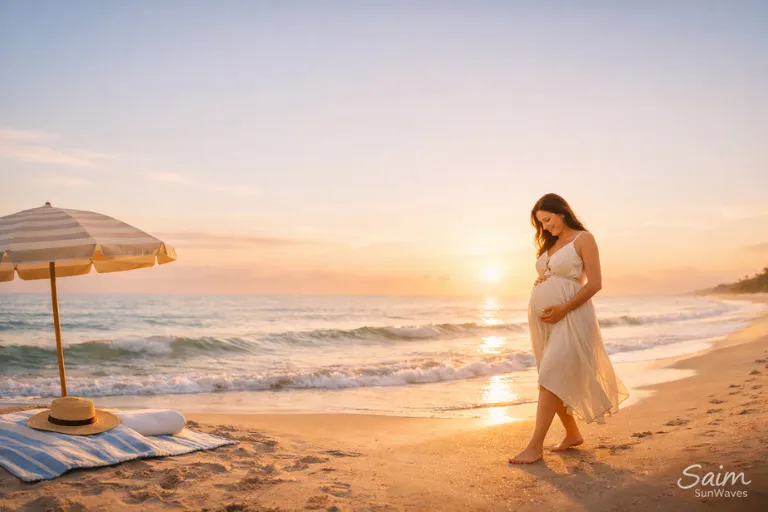
Spending time at the beach while pregnant can be enjoyable when choosing calm and safe activities. Many doctors encourage light movement during pregnancy, and the beach environment offers several gentle options that support comfort and relaxation.
One of the simplest activities is walking on the sand. A slow walk along the shoreline can improve circulation and provide mild exercise without putting too much pressure on the joints. It is a great way to stay active while enjoying the fresh air during a beach during pregnancy visit.
Another safe activity is gentle swimming during pregnancy. Floating or slowly swimming in calm water can help reduce body weight pressure because of water buoyancy, which often relieves back and joint discomfort.
Pregnant women can also enjoy relaxing under shade, such as sitting under a beach umbrella or tree. This helps reduce sun exposure during pregnancy while still allowing you to enjoy the beach atmosphere.
Simple prenatal stretching on a beach towel or mat can also help improve flexibility and relaxation during your pregnancy beach experience.
Beach Activities Pregnant Women Should Avoid
Although many beach activities during pregnancy are safe, some activities may increase the risk of injury and should be avoided. High-impact or risky sports can affect balance and safety, especially as pregnancy progresses.
For example, surfing can be dangerous because it involves strong waves and sudden movements. Similarly, jet skiing and other high-speed water sports may cause sudden jolts that are not recommended during pregnancy.
Activities such as diving or deep snorkeling should also be avoided because they may involve pressure changes and deeper water risks.
Pregnant women should also stay away from areas with strong waves or rough currents, which may increase the chance of slipping or falling. Choosing calm areas and focusing on gentle pregnancy beach activities helps ensure a safer and more relaxing beach vacation while pregnant.
Best Time of Day to Visit the Beach During Pregnancy

Choosing the right time to visit the beach while pregnant can make a big difference in comfort and safety. One of the most important pregnancy beach safety tips is to avoid the strongest sun of the day. Doctors often recommend staying away from the beach between 10 AM and 4 PM, when sun exposure during pregnancy can be intense and increase the risk of overheating or sunburn.
A better option is to visit the beach during pregnancy in the early morning. Morning air is usually cooler, the sunlight is softer, and the beach is often less crowded. This allows pregnant women to enjoy fresh air, light movement, and relaxation without excessive heat.
Another great time is the evening. Calm evening beach walks along the shoreline can provide gentle exercise and a peaceful environment. These cooler hours make it easier to enjoy pregnancy beach activities while staying comfortable and protected from strong sunlight.
How Long Can Pregnant Women Stay at the Beach?
Many expecting mothers wonder how long pregnant women can stay in the sun or at the beach. There is no exact rule, but most experts recommend short and comfortable beach visits rather than staying for many hours.
When spending time at the beach while pregnant, it is best to limit exposure to strong sunlight and heat. Taking frequent hydration breaks is important because pregnancy dehydration can happen quickly in warm weather. Drinking water regularly helps maintain energy and supports overall pregnancy hydration.
It is also important to watch for signs of overheating during pregnancy, such as dizziness, fatigue, or feeling too hot. Taking breaks in shaded areas and cooling down in calm water can help keep your beach during pregnancy experience safe and comfortable.
Beach Packing List for Pregnant Women
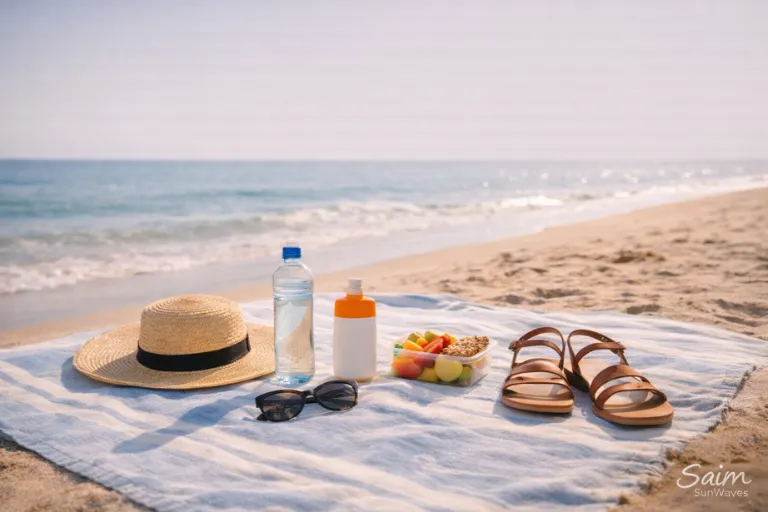
Preparing the right items before visiting the beach while pregnant can make the trip safer and more comfortable. A well-planned pregnancy beach packing list helps expecting mothers stay protected from sun exposure during pregnancy, avoid dehydration, and enjoy relaxing beach activities during pregnancy.
Here is a simple checklist for a comfortable beach during pregnancy visit:
- Sunscreen SPF 30+ – protects sensitive skin from strong UV rays and reduces the risk of sunburn during pregnancy.
- Wide-brim hat – provides extra shade for the face and neck.
- A beach umbrella or shade tent – helps limit direct sun exposure.
- Water bottle – essential for maintaining pregnancy hydration and preventing dehydration.
- Healthy snacks – fruits, nuts, or light snacks help maintain energy levels.
- Comfortable sandals – supportive footwear makes walking on sand easier and safer.
Bringing these simple items helps expecting mothers enjoy a safer and more relaxing beach vacation while pregnant.
Beach Travel Tips for Pregnant Women
Planning a beach trip during pregnancy requires a little extra care to keep both mother and baby comfortable. Following simple pregnancy travel safety tips can make the journey easier and more enjoyable.
First, always think about travel safety. Avoid very long trips if possible and choose beaches that are easy to reach. Shorter travel times reduce fatigue and make the pregnancy beach experience more comfortable.
Taking regular rest breaks is also important, especially during long drives. Stretching your legs and drinking water during stops helps improve circulation and prevents discomfort.
When selecting a destination, it is best to choose calm beaches with gentle waves and safe walking areas. Quiet beaches are usually more relaxing and safer for pregnancy beach activities like light walking or pregnancy swimming.
Finally, consider simple transportation tips such as wearing comfortable clothing, keeping snacks and water nearby, and planning travel during cooler hours. These small preparations can help make a beach while pregnant trip safe, relaxing, and enjoyable.
Best Trimester for Beach Trips During Pregnancy
Many expecting mothers wonder when it is safest to plan a beach trip during pregnancy. In most cases, doctors say the second trimester is the most comfortable time for travel and outdoor activities. During this stage, many women experience higher energy levels and fewer early pregnancy symptoms like nausea or fatigue.
Visiting the beach while pregnant in the second trimester often feels easier because the body has adjusted to pregnancy changes, but the belly is not yet too heavy. This makes simple activities like walking on the sand or pregnancy swimming more comfortable.
From a pregnancy travel safety perspective, the second trimester is often considered the safest period for short trips. However, every pregnancy is different, so expecting mothers should always listen to their bodies and consult their doctor if they have concerns before planning a beach vacation while pregnant.
Common Myths About Going to the Beach While Pregnant
There are many myths about going to the beach during pregnancy, and these misconceptions can sometimes cause unnecessary worry. Understanding the facts can help expecting mothers feel more confident about enjoying the beach while pregnant.
One common myth is that pregnant women should not swim. In reality, swimming during pregnancy is often recommended as a safe and low-impact activity that helps reduce joint pressure and improve circulation.
Another myth is that sun exposure during pregnancy is always harmful. While strong sunlight should be limited, moderate sun exposure with sunscreen and protective clothing can be safe and even beneficial for vitamin D.
Some people also believe that ocean water causes infections during pregnancy. In most cases, swimming in clean ocean water is safe. Practicing good pregnancy beach safety, such as changing out of wet clothes and choosing clean beaches, helps reduce any potential risks.
Signs You Should Leave the Beach Immediately
While spending time at the beach while pregnant can be relaxing, it is important to listen to your body and recognize warning signs. If certain symptoms appear, it is best to leave the beach and rest in a cooler, safer place.
One common warning sign is dizziness, which may happen because of overheating or dehydration during pregnancy. Feeling lightheaded or unsteady means your body may need rest, shade, and water. Dehydration can also cause headaches, dry mouth, or weakness, so maintaining proper pregnancy hydration is very important.
Another symptom to watch for is nausea or sudden sickness in the heat. This can sometimes occur with strong sun exposure during pregnancy. In more serious cases, contractions or unusual stomach tightening should never be ignored.
If you experience unusual fatigue, extreme tiredness, or discomfort, it is safer to stop pregnancy beach activities and cool down. Taking these signs seriously helps ensure a safer beach during pregnancy experience.
When to Talk to Your Doctor Before a Beach Trip
Before planning a beach vacation while pregnant, it can be helpful to speak with your doctor, especially if there are any health concerns. Every pregnancy is different, and medical guidance ensures that your pregnancy beach travel plans are safe.
Women with high-risk pregnancies should always get medical advice before traveling or spending long hours in the sun. Conditions such as high blood pressure, previous pregnancy complications, or severe swelling may require extra precautions.
It is also important to discuss any medical complications during pregnancy, such as anemia, dehydration problems, or mobility issues. Your doctor can provide personalized pregnancy safety tips for outdoor activities like swimming during pregnancy or walking on the beach.
Finally, some doctors may recommend travel restrictions during pregnancy, especially in later months. Consulting a healthcare professional helps ensure that your beach while pregnant trip remains safe, comfortable, and stress-free.
Expert Tips for a Safe and Relaxing Beach Day
Spending time at the beach while pregnant can be a wonderful way to relax, but following a few smart tips can make the experience safer and more comfortable. Simple precautions help expecting mothers enjoy beach activities during pregnancy while protecting their health.
One of the most important tips is maintaining proper pregnancy hydration. Warm weather and sun exposure during pregnancy can cause fluid loss quickly, so it is important to drink water regularly. Keeping a water bottle nearby and taking frequent hydration breaks helps prevent dehydration.
Using shade is another key part of pregnancy beach safety. Sitting under a beach umbrella, tree, or shade tent can reduce heat exposure and protect sensitive skin from strong sunlight.
It is also helpful to pace your activities. Instead of doing too much at once, take slow walks, rest often, and enjoy gentle pregnancy swimming if the water is calm.
Most importantly, always listen to your body. If you feel tired, dizzy, or uncomfortable, take a break and relax.
FAQs About Going to the Beach While Pregnant
Can pregnant women swim in the ocean?
Yes, in most healthy pregnancies swimming during pregnancy is considered safe. Many doctors even recommend pregnancy swimming because it is a low-impact exercise that supports the body without putting pressure on joints. Calm ocean swimming can help reduce swelling and improve circulation. However, pregnant women should choose safe swimming areas, avoid strong waves or currents, and never swim alone when enjoying the beach while pregnant.
Is chlorine safe during pregnancy?
For most expecting mothers, chlorine during pregnancy is generally safe when pools are properly maintained. Medical experts say that chlorine exposure during pregnancy in normal swimming pool levels does not usually cause harm. Pregnant women can safely enjoy swimming in a pool while pregnant, but it is still important to rinse off afterward and change out of wet clothes to maintain good pregnancy hygiene.
How long can pregnant women stay in the sun?
There is no strict rule, but experts suggest limiting strong sun exposure during pregnancy, especially between 10 AM and 4 PM. Short visits with breaks in the shade are safer. Wearing sunscreen, protective clothing, and a hat helps reduce the risk of sunburn during pregnancy and overheating while visiting the beach during pregnancy.
Can pregnant women go on beach vacations?
Yes, many women safely enjoy a beach vacation while pregnant when the pregnancy is healthy. Choosing a comfortable destination, staying hydrated, and following pregnancy beach safety tips can make the trip relaxing and enjoyable. It is also helpful to choose calm beaches and avoid extreme heat or long travel times.
Which trimester is safest for travel?
The second trimester is usually considered the best time for travel, including visiting the beach while pregnant. During this stage, many women experience better energy levels and fewer early pregnancy symptoms. However, every pregnancy is different, so it is always a good idea to talk with a doctor before planning any pregnancy beach travel.
Final Thoughts
Spending time at the beach while pregnant can be a relaxing and enjoyable experience when the right precautions are taken. In most healthy pregnancies, visiting the beach during pregnancy is generally safe and can even offer benefits like stress relief, gentle movement, and fresh air. Activities such as walking along the shoreline or light pregnancy swimming can support comfort and overall well-being.
However, it is important to follow basic pregnancy beach safety practices. Protecting yourself from strong sun exposure during pregnancy, staying well hydrated, choosing calm swimming areas, and taking regular breaks in the shade can help reduce potential risks.
Every pregnancy is different, so always listen to your body and prioritize comfort and health. If you have any concerns or medical conditions, talking with your doctor before planning a beach vacation while pregnant can provide extra peace of mind.