
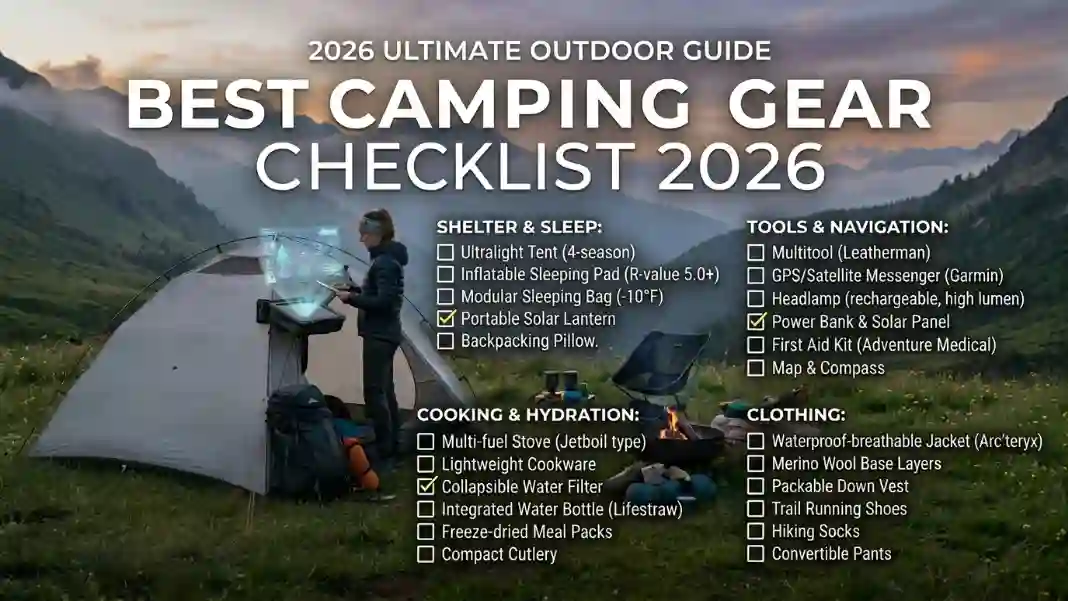
Best Camping Gear Checklist 2026 Ultimate Outdoor Guide
Planning a camping trip is exciting, but forgetting even one essential item can quickly turn your adventure into a stressful experience. That’s why having the best camping gear checklist is so important. Whether you’re preparing for your first outdoor getaway or you’re a seasoned camper, a well-organized camping checklist helps you pack smarter, stay safe, and enjoy every moment of your trip.
This complete camping essentials checklist is designed to make packing simple and stress-free. From shelter and sleeping gear to cooking supplies and safety items, you’ll discover exactly what to bring camping without the guesswork. Whether you need a camping packing list for a family vacation, a weekend escape, or a beginner-friendly guide, this camping gear checklist covers everything you need to avoid forgotten items and head into the outdoors with confidence.
Quick Answer: What Should You Pack for Camping?
If you’re wondering what to bring camping, the most important camping checklist essentials include a tent or shelter, sleeping gear, cooking supplies, food and water, weather-appropriate clothing, safety items, and personal care products. Knowing what you need for camping helps you pack with confidence, avoid forgotten items, and enjoy a smoother outdoor experience.
Why You Need a Camping Gear Checklist
A well-planned camping packing list does more than remind you what to pack. It helps you stay organized, avoid common mistakes, and focus on enjoying your trip instead of dealing with last-minute problems. Whether you’re heading out for a family getaway or your first camping adventure, having a checklist makes the entire experience easier and more enjoyable.
Avoid Forgetting Important Items
One of the biggest reasons to use a camping checklist is to prevent leaving behind essential gear. Forgetting a sleeping bag, flashlight, tent stakes, or a first aid kit can quickly turn an exciting trip into a stressful situation. A reliable list ensures all your camping essentials are packed before you leave home.
It also helps you remember smaller items that campers often overlook, such as extra batteries, bug spray, medications, or a can opener. These items may seem minor, but they can make a big difference once you’re at the campsite.
Save Time and Reduce Stress
Packing without a plan often leads to rushing around the house at the last minute. A checklist gives you a clear system to follow, helping you prepare days in advance rather than scrambling on departure day.
Knowing exactly what needs to go into your bags reduces stress and gives you peace of mind. Instead of worrying about what you might have forgotten, you can focus on the excitement of the adventure ahead.
Prevent Unnecessary Spending
Forgetting essential gear often means buying replacements at nearby camp stores, where prices are usually higher and options may be limited. A complete camping packing list helps you use what you already have and avoid unnecessary purchases.
It can also prevent overbuying. Many first-time campers assume they need expensive equipment when, in reality, a few basic camping essentials are enough for a comfortable and enjoyable trip.
Pack More Efficiently
A checklist encourages smarter packing by helping you separate necessities from optional comfort items. This means you can avoid overpacking while still bringing everything you truly need.
Organizing gear into categories such as shelter, cooking supplies, clothing, and safety equipment makes packing easier and keeps your campsite more organized. The result is a smoother camping experience with less clutter, less stress, and more time to enjoy the outdoors.
How to Use This Camping Checklist
A proper camping trip checklist is not something you follow blindly. It works best when you adjust it based on your trip style, weather, and group size. Think of this camping gear list as a flexible guide that helps you pack smarter, not heavier.
Customize Based on Trip Type
Every camping trip is different, so your gear should match your plan. A short weekend trip will need fewer items compared to a long stay in the wild.
For example:
- Car camping allows you to bring extra comfort items
- Backpacking requires lightweight and compact gear
- Family trips need shared supplies and kid-friendly items
Adjusting your camping gear list based on trip type helps you avoid overpacking while still staying fully prepared.
Adjust for Weather Conditions
Weather plays a major role in what you should pack. Cold, rainy, or hot conditions all require different gear choices.
- Cold weather: warm layers, insulated sleeping bags
- Rainy weather: waterproof clothing, extra tarps
- Hot weather: breathable clothing, sun protection
By checking the forecast before packing, you can fine-tune your camping trip checklist and avoid uncomfortable surprises.
Consider Group Size
The number of people going with you directly affects your packing needs. A solo camper will need minimal gear, while families or groups require shared supplies.
More people means:
- Larger food quantities
- Extra sleeping arrangements
- Shared cooking equipment
- Additional safety planning
Planning according to group size ensures your camping gear list stays practical and balanced.
Separate Essentials From Optional Items
One of the smartest ways to use this checklist is dividing items into “must-haves” and “nice-to-haves.”
- Essentials include shelter, food, water, and safety gear
- Optional items include comfort gear like chairs, lights, or games
This approach keeps your camping trip checklist clean and helps you prioritize what truly matters.
The Ultimate Camping Gear Checklist (Core Essentials)
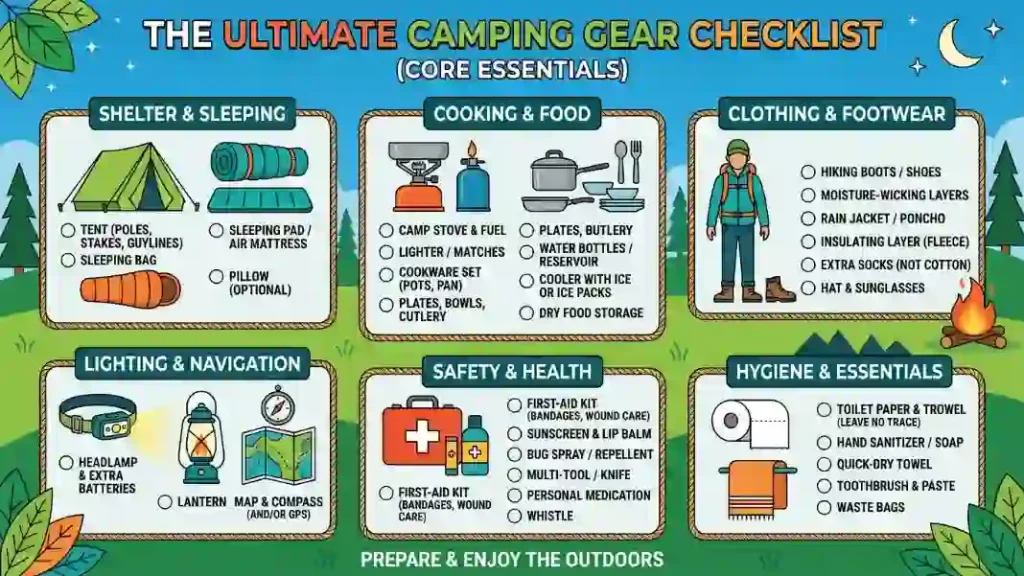
This section covers the complete camping gear checklist, including all the camping must-haves, camping equipment list, and camping supplies checklist you need for a safe and comfortable trip.
Shelter Essentials
Tent
Your primary protection from weather, insects, and wind. Choose size based on the number of campers.
Tent Stakes and Guylines
Secure your tent properly, especially in windy conditions.
Tent Footprint
Protects the base of your tent from moisture and damage.
Tarp
Provides extra shelter or ground cover when needed.
Mallet
Helps secure stakes into hard ground easily.
Sleeping Essentials
Sleeping Bag
Choose based on season and temperature rating.
Sleeping Pad
Adds insulation and comfort for better sleep.
Camping Pillow
Small but important for neck support and comfort.
Extra Blankets
Useful for cold nights or unexpected temperature drops.
Camp Kitchen Essentials
Camping Stove
Main cooking source for hot meals outdoors.
Fuel
Always carry extra fuel for longer trips.
Cookware
Pots, pans, and cooking tools for meal preparation.
Eating Utensils
Forks, spoons, and knives for each camper.
Plates and Cups
Reusable options are best for convenience and sustainability.
Cooler
Keeps food fresh and prevents spoilage.
Dishwashing Supplies
Soap, sponge, and cleaning cloth for hygiene.
Food and Water Essentials
Drinking Water
Carry enough clean water for the entire trip.
Water Filter or Purifier
Essential for longer or remote camping trips.
Meals and Snacks
Plan easy-to-cook and energy-rich food.
Food Storage Containers
Protect food from animals and contamination.
Clothing Essentials
Moisture-Wicking Base Layers
Keeps your body dry and comfortable.
Extra Socks and Underwear
Helps maintain hygiene during long trips.
Rain Gear
Protects you from sudden weather changes.
Warm Layers
Essential for cold nights and early mornings.
Camp Shoes
Comfortable footwear for campsite movement.
Hat and Sunglasses
Protect against sun exposure.
Safety and First Aid Essentials
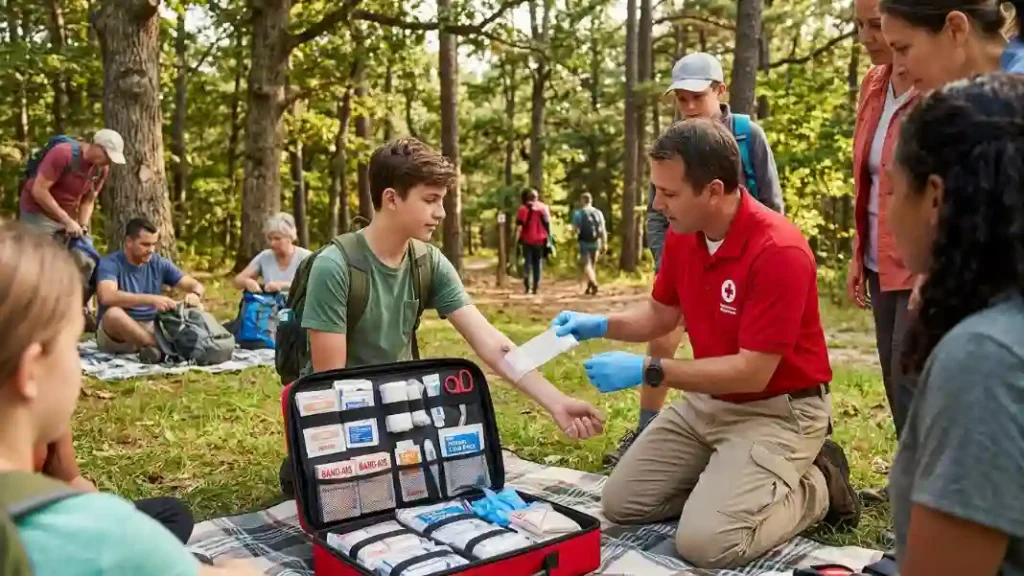
First Aid Kit
Treats minor injuries and emergencies.
Multi-Tool
Useful for repairs and campsite tasks.
Emergency Whistle
Helps signal for help if needed.
Flashlight
Basic visibility tool for nighttime.
Headlamp
Hands-free lighting for convenience.
Extra Batteries
Ensures your devices don’t run out of power.
Emergency Contact Information
Important for safety in remote areas.
You Might Also Like: https://sunwavequest.com
Personal Care Essentials
Toothbrush and Toothpaste
Basic hygiene items for daily use.
Toilet Paper
Essential for outdoor sanitation.
Soap
Keeps hands and body clean.
Hand Sanitizer
Quick cleaning when water is not available.
Sunscreen
Protects skin from harmful UV rays.
Bug Spray
Helps avoid insect bites.
Personal Medications
Carry any required medicines without fail.
Printable Camping Checklist
A printable camping checklist makes packing even easier. Before your trip, you can save or print this camping gear checklist printable and tick items off one by one.
Simple checkbox-style format:
- Shelter items ☐
- Sleeping gear ☐
- Kitchen supplies ☐
- Food and water ☐
- Clothing ☐
- Safety kit ☐
- Personal care items ☐
This method ensures nothing gets missed and helps you stay organized while packing.
Best Camping Gear Checklist by Trip Type
Different camping styles require different gear setups. Use this section to customize your packing.
Car Camping Checklist

A car camping checklist allows more flexibility since you don’t need to carry everything on your back.
Includes:
- Larger coolers
- Folding tables
- Camp chairs
- Extra comfort items
These car camping essentials improve comfort and convenience during your trip.
Backpacking Gear Checklist
A backpacking gear checklist focuses on lightweight and compact items.
Includes:
- Lightweight tent and sleeping bag
- Minimal cookware
- Compact food supplies
Follow weight distribution tips to avoid fatigue during long hikes.
Family Camping Checklist
A family camping checklist includes shared gear and kid-friendly items.
Includes:
- Extra food and water
- Entertainment items for kids
- Safety-focused supplies
This ensures a smooth trip when using a camping checklist with kids.
Solo Camping Checklist
A solo camping checklist focuses heavily on safety and independence.
Includes:
- Navigation tools
- Emergency backup supplies
- Lightweight but complete essentials
Couple’s Camping Checklist
A camping checklist for couples balances shared gear and comfort.
Includes:
- Shared cooking equipment
- Shared shelter setup
- Comfort-focused items for two people
This helps couples enjoy a smooth and well-planned outdoor experience.
Camping Checklists by Experience Level
Every camper has a different level of experience, and that’s why your camping checklist for beginners will look very different from someone who has been camping for years. This section helps you understand what to pack based on skill level, so your first camping trip checklist feels simple, practical, and stress-free.
Beginner Camping Checklist
A beginner’s camping checklist for beginners should focus only on the true essentials. The goal is not to impress, but to stay safe, comfortable, and prepared.
The True Essentials
For your first camping trip checklist, you only need:
- Tent and basic shelter
- Sleeping bag and pad
- Simple cooking setup
- Food and drinking water
- Basic clothing layers
- First aid kit
- Flashlight or headlamp
These items form the core of any safe camping experience.
What Beginners Can Skip
Many first-time campers overpack. You can skip:
- Expensive gadgets
- Extra luxury gear
- Large cooking systems
- Too many clothing options
Keeping your camping checklist for beginners simple helps you focus on learning the experience instead of managing too much gear.
Intermediate Camper Essentials
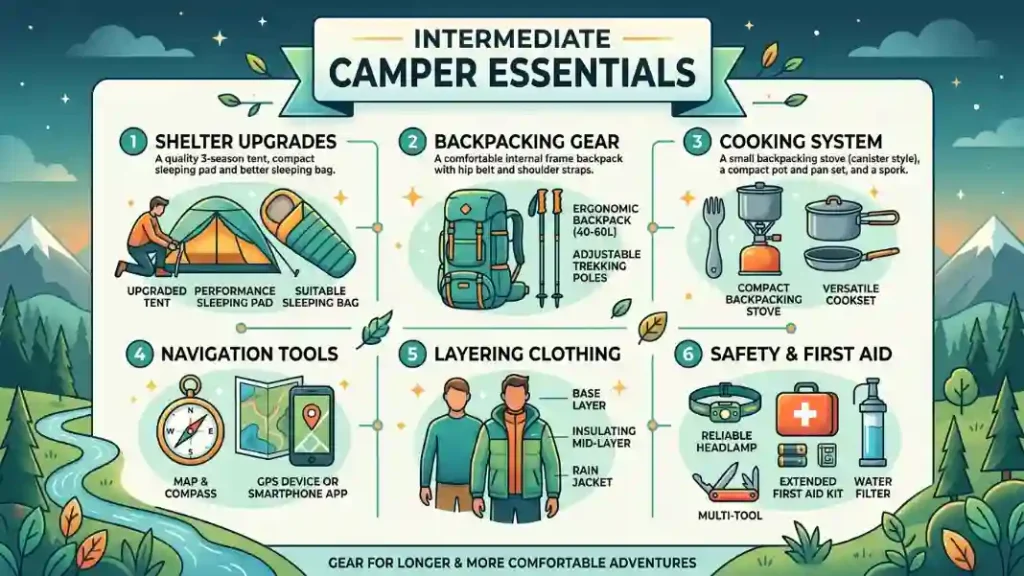
Once you’ve done a few trips, your needs become more refined. At this stage, you start improving comfort and efficiency rather than just survival.
Useful Upgrades
Intermediate campers often add:
- Better sleeping systems for comfort
- Lightweight cooking gear
- More durable tents
- Portable lighting systems
Better Organization Systems
At this level, organization becomes important:
- Storage bins for gear separation
- Packing cubes for clothing
- Dedicated food containers
These upgrades improve your overall camping experience without overcomplicating your setup.
Advanced Camper Upgrades (Unique Heading)
Experienced campers usually focus on performance, efficiency, and comfort in challenging environments.
Specialized Gear
Advanced campers may include:
- High-performance tents for extreme weather
- Lightweight backpacking systems
- Advanced water filtration systems
- Multi-functional survival tools
Premium Comfort Additions
For extra comfort during long trips:
- Inflatable sleeping pads
- High-quality portable chairs
- Advanced cooking systems
- Solar charging devices
These upgrades make camping smoother, especially in remote or difficult locations.
Seasonal Camping Checklists
Different seasons require different preparation. Your summer camping checklist will never be the same as your winter camping checklist, and adjusting your gear helps you stay safe and comfortable.
Summer Camping Essentials
A summer camping checklist focuses on heat protection and hydration.
- Lightweight and breathable clothing
- Sunscreen and hats
- Extra drinking water
- Portable shade or tarp
- Insect repellent
Summer camping is more about staying cool and protected from sun exposure.
Spring Camping Checklist
Spring brings changing weather conditions, so flexibility is key.
- Layered clothing for temperature shifts
- Waterproof jacket
- Sturdy footwear for muddy trails
- Light sleeping gear
Spring camping often mixes warm days with cold nights, so preparation is important.
Fall Camping Checklist
Fall camping requires warmth and comfort adjustments.
- Warm layers and jackets
- Insulated sleeping bag
- Extra blankets
- Hot drink supplies
This is one of the most scenic camping seasons but also one of the coolest.
Winter Camping Essentials
A winter camping checklist focuses heavily on warmth and survival.
- Heavy-duty sleeping bag
- Thermal clothing layers
- Insulated boots
- Hand warmers
- Weatherproof tent
Cold weather camping requires careful planning and strong insulation to avoid risk.
Rainy Weather Camping Gear
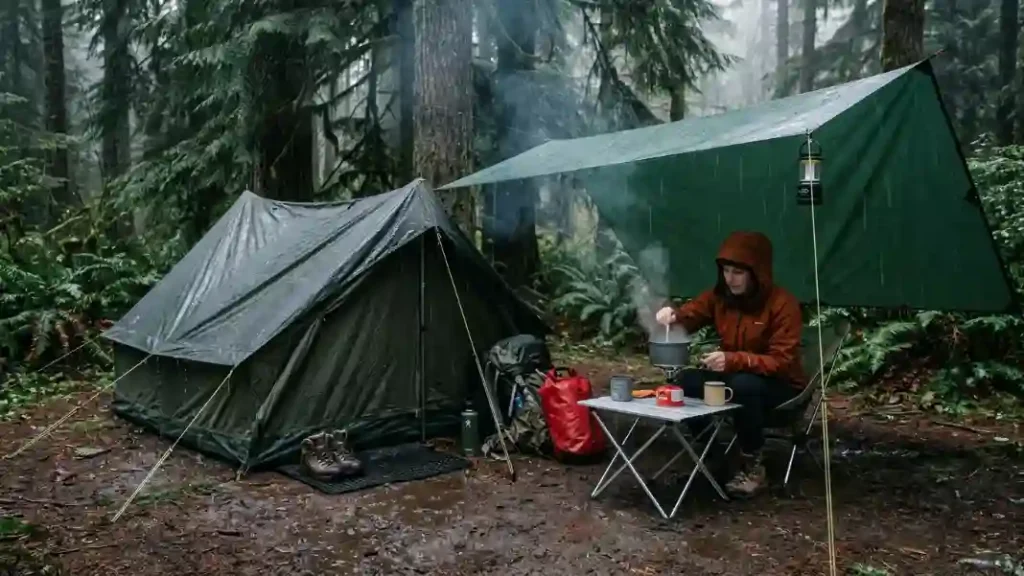
Rain can quickly disrupt a camping trip, so your rainy weather camping essentials should focus on protection and dryness.
- Waterproof tent and tarp
- Rain jackets and pants
- Dry bags for gear
- Extra socks and clothing
- Waterproof footwear
Staying dry is the most important rule for rainy camping conditions.
Camping Comfort Items Worth Packing
While essentials come first, adding a few camping comfort items can greatly improve your overall experience. These items are considered optional camping gear, but they add relaxation and enjoyment to your trip.
Hammocks
Perfect for relaxing during the day and enjoying nature.
Portable Fans
Useful for warm nights and improving airflow inside tents.
Camp Games
Great for group entertainment and family bonding.
String Lights
Add soft lighting and improve the campsite atmosphere.
Portable Speakers
For music and background sound during downtime.
Travel Coffee Maker
A small luxury that makes mornings much better outdoors.
These optional items are not required, but they make camping more enjoyable and personalized.
The Most Forgotten Camping Items
Even experienced campers forget small but important things. These most forgotten camping items can make a big difference in comfort, safety, and convenience during your trip. If you want a smooth experience, double-check this list before you leave home.
Common camping items people forget include:
- Can opener (important for canned food)
- Trash bags (for campsite cleanliness)
- Charging cables (for phones and devices)
- Power bank (backup power source)
- Matches or lighter (for cooking and fire starting)
- Extra batteries (for flashlight and headlamp)
- Zip ties (quick gear repairs)
- Wet wipes (quick cleaning solution)
- Camp towel (for hygiene and drying)
- Personal medicine (essential health needs)
These small items are often overlooked but can quickly become necessary once you’re at the campsite.
Camping Gear You Probably Don’t Need
A smart camper knows that packing less is often better. Many people overpack and carry items they never use. Avoiding unnecessary gear helps reduce weight, saves space, and makes your trip more enjoyable.
When thinking about camping gear you don’t need, focus on removing anything that doesn’t serve a clear purpose.
Prevent Overpacking
Avoid bringing duplicate items or “just in case” gear that adds extra weight. Most camping setups only need basic, multi-purpose tools.
Explain When Items Become Unnecessary
Some gear is only useful in specific situations:
- Large cooking sets are unnecessary for short trips
- Heavy furniture is not needed for backpacking
- Multiple outfits are unnecessary for weekend camping
Learning to avoid overpacking camping gear helps you stay organized and mobile, especially on longer trips.
Common Camping Packing Mistakes to Avoid
Many camping problems come from simple packing mistakes. Avoiding them can dramatically improve your experience and help you stay safe and comfortable outdoors. These are the most common camping mistakes to avoid.
Packing Too Much
Overpacking makes travel harder and setup slower. It also leads to clutter at your campsite.
Ignoring Weather Forecasts
Failing to check weather conditions can result in being unprepared for rain, cold, or heat.
Forgetting Safety Gear
Leaving behind essentials like a first aid kit, flashlight, or multi-tool can create serious risks.
Wearing Cotton Clothing
Cotton holds moisture and dries slowly, making it uncomfortable in cold or wet conditions.
Not Testing Equipment Before Leaving
Unfamiliar or untested gear can fail when you need it most, especially tents, stoves, or lighting systems.
Avoiding these camping mistakes to avoid ensures a safer, smoother, and more enjoyable outdoor experience.
How to Pack Efficiently for a Camping Trip
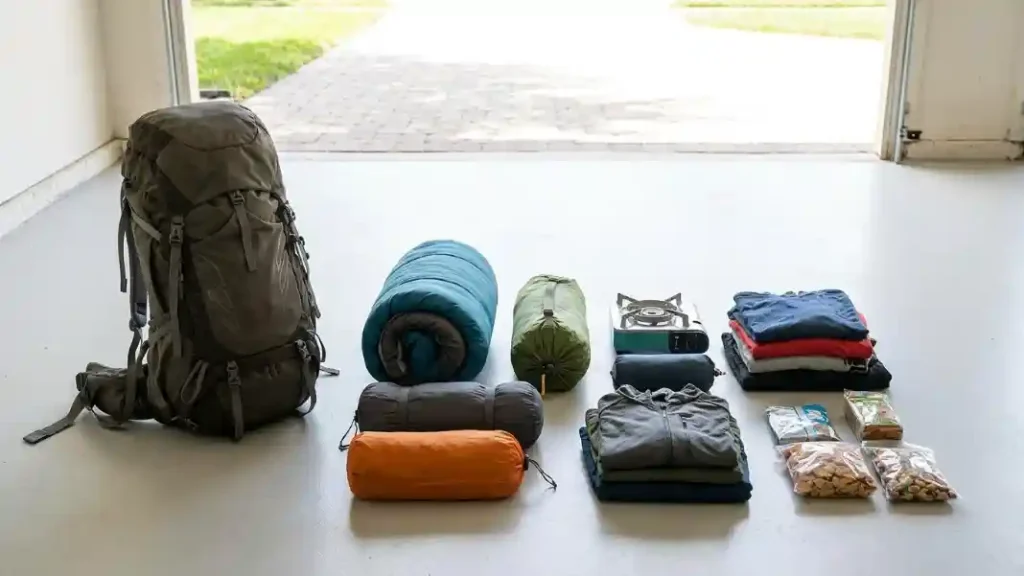
Knowing how to pack for camping is just as important as knowing what to pack. A smart packing system helps you stay organized, reduces stress, and ensures you don’t forget important items. These simple camping packing tips will make your trip smoother from start to finish.
Use Storage Bins
Storage bins are one of the easiest ways to organize your gear. Keep similar items together, such as cooking supplies in one bin and clothing in another. This makes setup at the campsite much faster and cleaner.
Group Similar Items Together
Instead of packing randomly, group your gear into categories like shelter, kitchen, clothing, and safety. This method helps you quickly find what you need without unpacking everything.
Pack by Priority
Always pack the most important camping essentials first. These include shelter, food, water, and safety items. Once the basics are secured, you can add comfort or optional gear.
Balance Backpack Weight
If you’re backpacking, weight distribution matters a lot. Keep heavier items close to your back and center. This reduces strain and helps you walk more comfortably over long distances.
Keep Emergency Gear Accessible
Your safety items like flashlight, first aid kit, and whistle should always be easy to reach. Never bury them under other gear where they are hard to find in an emergency.
Budget-Friendly Camping Tips
Camping doesn’t have to be expensive. With the right planning, you can enjoy nature without spending too much. These cheap camping gear tips help you build smart budget camping essentials without sacrificing quality or safety.
Borrow Before Buying
If you’re a beginner, borrow gear from friends or family before making purchases. This helps you understand what you actually need.
Rent Expensive Equipment
Items like tents, sleeping bags, or cooking systems can often be rented at a lower cost. This is useful for occasional campers who don’t want to invest heavily.
Buy Multipurpose Gear
Choose equipment that serves more than one purpose. For example, a multi-tool replaces several separate tools, saving both money and space.
Prioritize Essential Purchases
Focus your budget on the most important items first—shelter, sleeping gear, and safety equipment. Once these are covered, you can slowly add comfort items over time.
Using these budget camping essentials strategies helps you enjoy camping without unnecessary financial pressure while still staying fully prepared.
How to Store and Maintain Camping Gear
Proper camping gear maintenance is just as important as packing it correctly. If you take care of your equipment, it will last longer, perform better, and keep you safe on every trip. Knowing how to store camping gear also helps prevent damage, mold, and unnecessary replacement costs.
Cleaning Equipment Properly
Always clean your gear after every trip. Remove dirt, food particles, and moisture from tents, cookware, and tools. Clean equipment performs better and stays safe for long-term use.
Drying Gear Before Storage
Never store wet or damp gear. Moisture can lead to mold, bad smells, and fabric damage. Always air-dry tents, sleeping bags, and clothing completely before packing them away.
Seasonal Maintenance
Check your gear before every camping season. Inspect tents for tears, test stoves, replace worn-out parts, and ensure batteries are working. Regular maintenance prevents last-minute problems.
Extending Gear Lifespan
Store gear in a cool, dry place and avoid compressing items like sleeping bags for long periods. Proper care extends the life of your equipment and saves money over time.
Eco-Friendly Camping Packing Tips
Camping is about enjoying nature, so it’s important to protect it as well. Following eco-friendly camping tips helps reduce your impact and supports sustainable camping practices for future generations.
Follow Leave No Trace Principles
Always leave your campsite as clean as you found it. Carry out all trash and avoid damaging natural surroundings.
Reduce Single-Use Waste
Avoid disposable plates, bottles, and plastic items. Instead, pack reusable gear whenever possible.
Use Reusable Alternatives
Switch to reusable water bottles, utensils, and containers. This reduces waste and keeps your camping experience more sustainable.
Respect Wildlife and Campsites
Do not feed animals or disturb their natural habitat. Keep a safe distance and follow campsite rules at all times.
Emergency Preparedness Checklist
A strong camping emergency checklist ensures you are prepared for unexpected situations. Whether you’re camping in the mountains or a forest, having emergency camping essentials can make a critical difference.
Weather Alerts
Always check weather updates before and during your trip. Sudden storms or temperature drops can affect safety.
Emergency Shelter Plans
Have a backup plan in case your tent fails or weather conditions worsen. A tarp or emergency shelter can provide temporary protection.
Backup Navigation Tools
Carry a map, compass, or offline GPS device. Do not rely only on mobile signals in remote areas.
Emergency Contacts
Keep a written list of important contacts in case your phone dies or is lost.
Communication Devices
Carry a fully charged phone, power bank, or emergency signal device to stay connected in critical situations.
Being prepared with emergency camping essentials ensures safety and peace of mind in unpredictable outdoor environments.
Frequently Asked Questions
What are the 10 most essential camping items?
The most important items include a tent, sleeping bag, sleeping pad, food, water, cooking setup, flashlight, first aid kit, clothing layers, and basic hygiene supplies. These cover the core camping essentials for any trip.
What should first-time campers bring?
First-time campers should focus on a simple first camping trip checklist with only basics like shelter, sleeping gear, food, water, and safety items. Avoid overpacking and stick to essential camping gear only.
What camping items do people often forget?
Commonly forgotten items include trash bags, extra batteries, charging cables, matches, wet wipes, and personal medicine. These small items often become very important during the trip.
How do I pack light for camping?
To pack light, focus on multi-purpose gear, avoid duplicate items, and only carry what you truly need. A well-planned camping checklist for beginners helps reduce unnecessary weight.
What camping gear is absolutely necessary?
The most necessary items are shelter, sleeping equipment, food and water supplies, cooking tools, clothing, and safety gear. Everything else is optional based on your trip type.
How can I save money on camping gear?
You can save money by borrowing gear, renting expensive equipment, and buying multipurpose tools. Start with budget camping essentials before investing in premium items.
Is this checklist suitable for families?
Yes, this checklist works for families. You can easily adjust it into a family camping checklist by adding kid-friendly items, extra food, and entertainment supplies.
Can I use the same checklist for backpacking and car camping?
The core items stay the same, but adjustments are needed. A car camping checklist allows more comfort items, while a backpacking gear checklist focuses on lightweight essentials.
Conclusion
The best camping gear checklist always depends on your trip type, experience level, and personal needs. There is no one-size-fits-all list, but a well-structured camping checklist helps you stay fully prepared and avoid common mistakes.
Whether you’re planning a weekend getaway, a family trip, or a solo adventure, always customize your camping gear checklist based on weather, group size, and comfort level. This ensures you only carry what truly matters and enjoy a smoother experience in nature.
Before heading out, take a moment to review your list, remove unnecessary items, and double-check your essentials. A well-prepared camper is always a stress-free camper.
Save or print your camping packing list, pack smart, and enjoy your outdoor adventure with confidence, safety, and peace of mind.
