
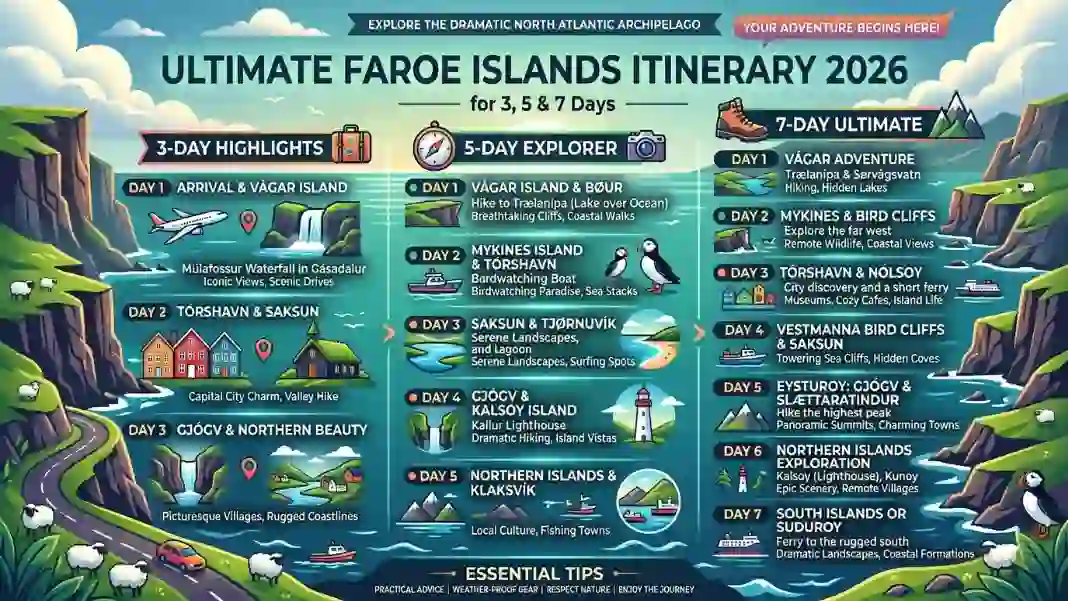
Ultimate Faroe Islands Itinerary 2026 for 3 5 & 7 Days
The Faroe Islands are one of Europe’s most stunning destinations, known for their dramatic cliffs, peaceful villages, waterfalls, and unforgettable ocean views. Whether you are planning a short getaway or a longer adventure, having a well-planned Faroe Islands itinerary can help you make the most of your time. From scenic drives and coastal hikes to charming towns and hidden gems, there is something here for every type of traveler.
This complete Faroe Islands travel guide includes detailed 3-day, 5-day, and 7-day Faroe Islands itineraries, along with practical travel tips, accommodation advice, and transportation information. You’ll also learn about the best places to visit, how to plan a Faroe Islands road trip, and whether you can explore the islands without a car.
By the end of this guide, you’ll have everything you need to create the perfect Faroe Islands trip, whether it’s your first visit or a return adventure.
Here’s the next section written in a natural, SEO-friendly style with keywords integrated organically, simple vocabulary, short paragraphs, and important terms bolded.
Why Visit the Faroe Islands?
The Faroe Islands offer a travel experience unlike anywhere else in Europe. Located in the North Atlantic Ocean between Iceland and Norway, this remote archipelago is famous for its rugged landscapes, dramatic sea cliffs, charming villages, and breathtaking hiking trails. Whether you enjoy photography, road trips, wildlife, or outdoor adventures, the islands provide endless opportunities to explore.
Unlike crowded tourist destinations, the Faroe Islands feel peaceful and untouched. You can drive through mountain tunnels, visit hidden waterfalls, and enjoy panoramic views without large crowds. This combination of natural beauty and tranquility is what makes a Faroe Islands trip so memorable.
What Makes the Faroe Islands Unique?
One of the most unique things about the Faroe Islands is how much scenery is packed into a small area. Within a short drive, you can move from colorful fishing villages to dramatic cliffs overlooking the Atlantic Ocean. The islands are connected by an impressive network of roads, tunnels, bridges, and ferries, making island hopping surprisingly easy.
The destination is also known for iconic attractions such as Múlafossur Waterfall, Sørvágsvatn Lake, Kallur Lighthouse, and the puffin-filled island of Mykines. Combined with constantly changing weather and stunning coastal views, every day feels different during a Faroe Islands road trip.
Who Will Love This Destination?
The Faroe Islands are ideal for travelers who enjoy nature and adventure. Hikers can explore scenic trails, photographers can capture dramatic landscapes, and road trippers can enjoy some of Europe’s most beautiful drives.
This destination is especially perfect for:
- First-time visitors looking for a unique European destination
- Nature lovers and outdoor enthusiasts
- Photographers seeking spectacular viewpoints
- Travelers who enjoy scenic road trips
- Couples looking for peaceful escapes
- Anyone creating a Faroe Islands itinerary for first-timers
If you’re looking for shopping, nightlife, or large cities, this may not be the best fit. However, if your goal is to experience raw natural beauty, you’ll quickly understand why so many travelers fall in love with the islands.
Is the Faroe Islands Worth Visiting?
Absolutely. While the islands can be more expensive than some European destinations, the experience is unlike anywhere else. You’ll find dramatic waterfalls, remote villages, mountain hikes, and stunning viewpoints that feel untouched by mass tourism.
Many travelers visit Iceland and are surprised to learn that the Faroe Islands itinerary often offers a quieter and more authentic experience. With fewer crowds, excellent infrastructure, and incredible scenery, the islands are well worth adding to your travel bucket list.
What I Wish I Knew Before Visiting the Faroe Islands
Planning a Faroe Islands travel itinerary is relatively simple, but there are a few things that can catch first-time visitors by surprise. Knowing these details before your trip can save both time and money.
The Weather Changes Constantly
The weather in the Faroe Islands is famously unpredictable. It is possible to experience sunshine, rain, fog, and strong winds all within a few hours. Because of this, packing waterproof clothing is essential regardless of the season.
When planning your Faroe Islands itinerary, always leave room for weather-related changes. A hike that looks perfect in the morning may become impossible later in the day.
Tunnel Fees Can Surprise First-Time Visitors
The islands are connected by several subsea tunnels, some of which require additional toll payments. Many visitors focus on accommodation and car rental costs but forget to budget for tunnel fees.
If you’re planning a Faroe Islands road trip itinerary, include tunnel expenses in your travel budget to avoid unexpected costs.
Distances Are Short but Travel Takes Longer Than Expected
Looking at a map, many attractions appear close together. However, winding roads, ferry schedules, weather conditions, and frequent photo stops often make journeys longer than expected.
Many visitors underestimate how much time they will spend stopping at viewpoints and villages. This is one reason why a flexible Faroe Islands travel route works better than a strict schedule.
Some Attractions Require Advance Booking
Popular experiences such as visiting Mykines Island, guided hikes, boat tours, and certain birdwatching excursions may require reservations in advance, especially during summer.
If you’re visiting during peak season, booking key activities before arrival can help you avoid disappointment.
Flexibility Is Essential for Your Itinerary
The biggest lesson most travelers learn is to stay flexible. Weather conditions can affect hiking trails, ferry crossings, and visibility at major viewpoints.
Instead of creating an overly packed schedule, build extra time into your Faroe Islands vacation. A flexible plan allows you to enjoy the islands at a slower pace and adapt when conditions change.
How Many Days Do You Need in the Faroe Islands?
The ideal length of your trip depends on your travel style. While it is possible to see the highlights in a few days, spending more time allows you to experience hidden gems, hiking trails, and lesser-known villages.
3 Days in the Faroe Islands
A 3-day Faroe Islands itinerary is perfect for travelers with limited time. In three days, you can visit major attractions such as Tórshavn, Saksun, Gjógv, Gásadalur, Múlafossur Waterfall, and Sørvágsvatn Lake.
This option focuses on the most famous sights and works best for first-time visitors.
5 Days in the Faroe Islands
A 5-day Faroe Islands itinerary offers a better balance between sightseeing and relaxation. You’ll have enough time to visit Kalsoy, hike to Kallur Lighthouse, and potentially explore Mykines Island.
For many travelers, five days is the ideal length for a complete Faroe Islands road trip.
7 Days in the Faroe Islands
A 7-day Faroe Islands itinerary allows for a deeper exploration of the archipelago. In addition to the major attractions, you’ll have time to discover hidden villages, scenic drives, coastal hikes, and photography locations away from the main tourist route.
This is the best option for travelers who want a comprehensive Faroe Islands travel guide experience.
10+ Days for Slow Travel
If you enjoy slow travel, spending more than ten days in the Faroe Islands can be incredibly rewarding. Extra time allows you to explore remote islands, wait for ideal weather conditions, and experience local life at a comfortable pace.
A longer stay is also ideal for photographers, hikers, and travelers looking to uncover hidden gems beyond the typical Faroe Islands itinerary.
This section naturally incorporates primary, secondary, semantic, and long-tail keywords without keyword stuffing while maintaining a human and travel-blog-friendly tone.
Best Time to Visit the Faroe Islands
One of the most common questions travelers ask is, “What is the best time to visit the Faroe Islands?” The answer depends on what you want to experience. The islands can be visited year-round, but each season offers different landscapes, activities, and weather conditions.
When planning your Faroe Islands itinerary, understanding the seasons will help you choose the best time for hiking, photography, wildlife viewing, and scenic road trips.
Visiting in Spring
Spring, from April to May, is a beautiful time to visit the islands. The days become longer, the countryside turns greener, and popular attractions are much quieter than in summer.
This season is ideal for travelers who want to enjoy a peaceful Faroe Islands trip without large crowds. While temperatures remain cool, you’ll often find lower accommodation prices and easier access to popular photography spots.
Visiting in Summer
Summer is the most popular season and the best time for most travelers. Between June and August, you’ll enjoy the longest daylight hours, milder temperatures, and better conditions for outdoor activities.
This is the perfect season for hiking, island hopping, and completing a Faroe Islands road trip itinerary. Many seasonal ferries and tours also operate during these months, making it easier to explore places like Mykines and Kalsoy.
Visiting in Autumn
Autumn offers fewer visitors and beautiful changing landscapes. From September to October, the islands remain scenic, while accommodation and transportation can become more affordable.
Photographers often enjoy autumn because of the dramatic skies, softer light, and constantly changing weather conditions. It’s also a great season for travelers seeking a quieter Faroe Islands vacation.
Visiting in Winter
Winter brings shorter days, stronger winds, and unpredictable weather. While some hiking trails may become difficult, winter offers a completely different perspective of the islands.
Travelers who enjoy dramatic scenery, stormy coastlines, and peaceful surroundings may find winter rewarding. However, flexibility is especially important when planning a Faroe Islands travel itinerary during this season.
Best Month for Hiking
For most visitors, July and August are the best months for hiking. Trails are generally easier to access, daylight lasts longer, and weather conditions are often more stable.
Popular routes such as the Kallur Lighthouse Hike, Sørvágsvatn Lake Trail, and hikes around Mykines are most enjoyable during these months.
Best Month for Photography
Photographers can visit throughout the year, but May, September, and October often provide the best balance of dramatic weather, soft lighting, and fewer crowds.
These months are excellent for capturing waterfalls, coastal villages, mountain landscapes, and some of the most iconic Faroe Islands photography locations.
Best Month for Puffin Watching
If seeing puffins is high on your bucket list, plan your trip between May and August. During this period, thousands of puffins nest around the islands, particularly on Mykines, one of the most famous wildlife destinations in the Faroe Islands.
How to Get to the Faroe Islands
Although the Faroe Islands feel remote, reaching them is easier than many travelers expect. Whether you’re arriving by air or sea, several transportation options make planning a Faroe Islands travel guide straightforward.
Flying to Vágar Airport
The fastest and most convenient way to reach the Faroe Islands is by flying into Vágar Airport, the islands’ main international airport.
Several European cities offer direct flights throughout the year, with additional seasonal routes operating during summer. Once you arrive, many of the islands’ top attractions are within easy driving distance, making it a great starting point for a Faroe Islands road trip.
Taking the Ferry
Travelers looking for a slower and more scenic journey can arrive by ferry. The international ferry connects the Faroe Islands with Denmark and Iceland, providing a unique way to experience the North Atlantic.
While ferry travel takes longer than flying, it can be a memorable option for those bringing a vehicle or planning an extended Faroe Islands itinerary.
Entry Requirements and Travel Documents
Before traveling, always check the latest entry requirements based on your nationality. Most visitors will need a valid passport, while visa requirements vary depending on the country of residence.
Travel regulations can change, so it is always wise to verify official information before finalizing your Faroe Islands travel plans.
How to Get Around the Faroe Islands
One of the best things about the Faroe Islands is how easy it is to move between islands. Despite their remote location, the transportation network is excellent and allows travelers to explore both famous attractions and hidden gems.
Renting a Car
For most visitors, renting a car is the best way to experience the islands. It provides flexibility, allows access to remote villages, and makes it easier to follow a customized Faroe Islands self-drive itinerary.
A rental car is especially useful if you plan to visit locations such as Saksun, Gjógv, Kalsoy, and Múlafossur Waterfall.
Driving Tips for First-Time Visitors
Driving in the Faroe Islands is generally easy, but there are a few things to keep in mind:
- Drive carefully on narrow roads
- Be prepared for sheep near roadways
- Watch weather conditions closely
- Respect local speed limits
- Plan extra time for scenic stops
These simple tips can make your Faroe Islands road trip safer and more enjoyable.
Understanding the Tunnel System
The Faroe Islands are famous for their advanced tunnel network, including several subsea tunnels connecting major islands.
Some tunnels are free, while others require toll payments. Understanding these fees before your trip will help you create a more accurate Faroe Islands budget guide and avoid unexpected expenses.
Ferry Connections Between Islands
Although tunnels connect many islands, ferries remain an important part of transportation.
Ferries provide access to destinations such as Mykines, Kalsoy, Nolsoy, and other smaller islands. Schedules may vary by season, so advance planning is recommended.
Public Transportation
Travelers without a rental car can still explore much of the archipelago using buses and ferries.
The public transportation network is reliable and connects many major attractions, making it possible to enjoy a Faroe Islands itinerary without a car.
Guided Tours
Guided tours are a convenient option for visitors who prefer not to drive. Many tours include transportation, local guides, and access to popular attractions.
This option is particularly useful for solo travelers or anyone planning a shorter Faroe Islands vacation.
You Might Also Like: 4 Days in Tulum Itinerary
Suggested Faroe Islands Route at a Glance
Before diving into the detailed itineraries, it helps to understand how the islands fit together geographically. A logical route can save time and reduce unnecessary driving.
Route Overview
Most visitors begin their journey at Vágar Airport and then travel through the major islands connected by roads, tunnels, and ferries.
A typical Faroe Islands travel route includes:
- Vágar Island
- Streymoy
- Eysturoy
- Kalsoy
- Mykines
- Sandoy
This route covers many of the most famous attractions while keeping travel times manageable.
Driving Distances Between Major Attractions
One of the biggest surprises for first-time visitors is how close many attractions are to one another.
While driving distances are generally short, weather conditions, ferry schedules, and frequent photo stops can make travel days longer than expected. This is why most successful Faroe Islands itineraries focus on grouping nearby attractions together.
Recommended Travel Flow
For the smoothest experience, consider exploring the islands in this order:
- Vágar Island
- Tórshavn and Streymoy
- Saksun and Tjørnuvík
- Gjógv and Eysturoy
- Kalsoy
- Mykines
- Sandoy and surrounding villages
This route minimizes backtracking and works well for a 3-day, 5-day, or 7-day Faroe Islands itinerary, allowing you to experience the best places to visit while maximizing your time on the islands.
Faroe Islands Travel Costs
One of the most common questions travelers ask when planning a Faroe Islands itinerary is, “Are the Faroe Islands expensive?” The short answer is yes, but with proper planning, you can control your spending and enjoy an unforgettable trip without breaking your budget.
Compared to many European destinations, the Faroe Islands have a higher cost of living. However, the incredible scenery, excellent infrastructure, and unique travel experiences often make the extra expense worthwhile. Understanding the main costs in advance will help you create a realistic Faroe Islands budget guide and avoid unexpected surprises during your trip.
Flight Costs
Flights are often one of the biggest expenses when planning a Faroe Islands trip. Prices vary depending on your departure city, travel dates, and how far in advance you book.
On average, round-trip flights from Europe can range from $150 to $600+ per person, while travelers coming from North America may pay significantly more depending on connections and seasonality.
To find the best deals:
- Book flights several months in advance
- Travel during spring or autumn
- Avoid peak summer dates when possible
- Compare multiple departure airports
Summer usually has the highest demand, especially for travelers following a Faroe Islands road trip itinerary.
Accommodation Costs
Accommodation prices can vary greatly depending on location, season, and property type.
Typical nightly rates include:
| Accommodation Type | Average Cost Per Night |
| Hostel or Guesthouse | $50–$120 |
| Budget Hotel | $100–$180 |
| Mid-Range Hotel | $180–$300 |
| Luxury Hotel | $300+ |
Many visitors choose to stay in Tórshavn, which serves as a convenient base for exploring the islands. However, staying in smaller villages can provide a more authentic experience and sometimes lower prices.
If you’re visiting during summer, booking accommodation early is highly recommended since rooms can sell out months in advance.
Food and Restaurant Prices
Dining out in the Faroe Islands can be expensive, especially compared to mainland Europe. Restaurant prices reflect the country’s remote location and high-quality local ingredients.
Average food costs include:
| Item | Average Price |
| Coffee | $4–$6 |
| Casual Lunch | $12–$25 |
| Restaurant Dinner | $25–$60 |
| Fine Dining Experience | $100+ |
Travelers looking to reduce expenses often combine restaurant meals with grocery shopping and self-catering accommodations.
Trying local specialties is still worth including in your Faroe Islands vacation budget, especially if you want to experience the local culture.
Rental Car Costs
For most travelers, renting a car is the easiest and most flexible way to explore the islands. A rental vehicle allows you to follow your own Faroe Islands travel route, stop at scenic viewpoints, and visit remote villages that may be difficult to reach by public transportation.
Average daily rental rates:
| Vehicle Type | Average Daily Cost |
| Economy Car | $50–$90 |
| Compact SUV | $90–$150 |
| Larger SUV | $150–$250+ |
Rental prices often increase significantly during summer, so booking early can help secure better rates.
For travelers planning a Faroe Islands self-drive itinerary, a rental car is often the most practical investment.
Tunnel Fees
One travel expense that surprises many first-time visitors is the tunnel toll system.
The Faroe Islands are connected by impressive subsea tunnels that make island hopping much easier. While some tunnels are free, others charge fees depending on the route and vehicle type.
Tunnel costs can quickly add up if you frequently travel between islands, especially during a 7-day Faroe Islands itinerary that includes multiple regions.
Before your trip:
- Check current tunnel pricing
- Understand which routes require payment
- Include tunnel expenses in your overall budget
This is one of the most overlooked parts of Faroe Islands travel planning.
Ferry Costs
Ferries play an important role in transportation, particularly when visiting islands such as Mykines, Kalsoy, and Nolsoy.
Prices vary depending on the route, season, and whether you’re traveling as a passenger or bringing a vehicle.
Typical ferry expenses include:
| Ferry Type | Average Cost |
| Passenger Ferry | $5–$25 |
| Vehicle Ferry | $20–$80+ |
| Special Tourist Routes | Varies |
If your Faroe Islands itinerary includes island hopping, it’s a good idea to reserve ferry tickets in advance during the busy summer season.
Estimated Daily Budget
To help with planning, here’s a rough estimate of daily travel costs:
| Travel Style | Estimated Daily Budget |
| Budget Traveler | $100–$180 |
| Mid-Range Traveler | $180–$350 |
| Luxury Traveler | $350+ |
While the Faroe Islands are not the cheapest destination, careful planning can make the trip more affordable. By budgeting for flights, accommodation, food, transportation, tunnel fees, and ferries ahead of time, you’ll be able to enjoy your Faroe Islands travel itinerary with fewer financial surprises and more time focused on exploring the islands’ breathtaking landscapes.
Day-by-Day Faroe Islands Itinerary
Whether you’re planning a quick getaway or a full week of exploration, this Faroe Islands itinerary covers the islands’ most spectacular landscapes, charming villages, scenic drives, and iconic attractions. The routes below are designed to minimize backtracking while helping you experience the best places to visit in the Faroe Islands.
3-Day Faroe Islands Itinerary
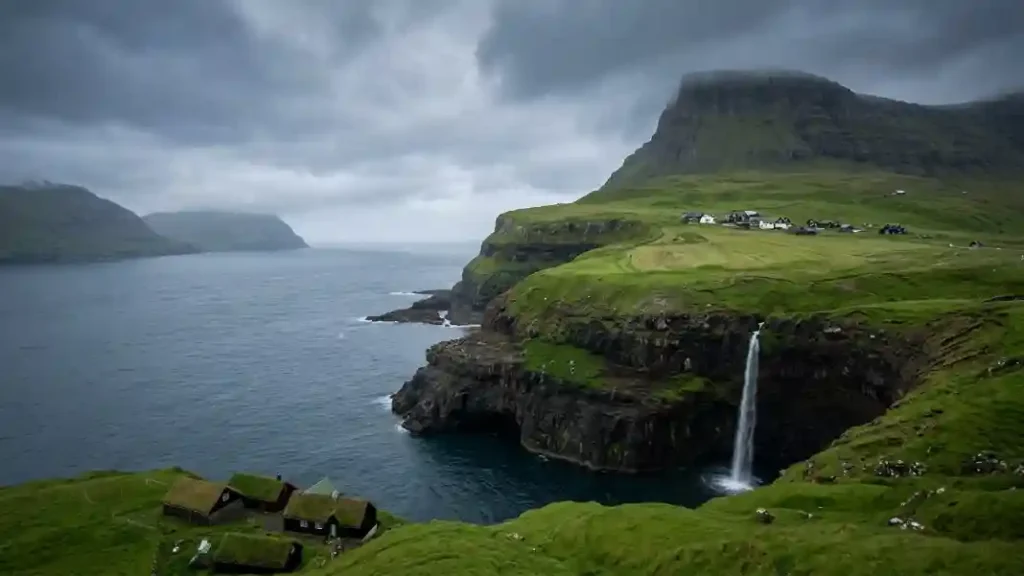
If you’re short on time, this 3-day Faroe Islands itinerary covers many of the islands’ most famous attractions while providing a great introduction to the destination.
Day 1 – Tórshavn, Kirkjubøur and Nolsoy
Spend your first day exploring the cultural heart of the Faroe Islands. This route combines history, local culture, and beautiful coastal scenery.
Top Attractions
- Tórshavn Old Town (Tinganes)
- Kirkjubøur Village
- Saint Magnus Cathedral Ruins
- Nolsoy Island
- Traditional turf-roofed houses
- Scenic harbor views
Suggested Activities
Start your morning wandering through the colorful streets of Tórshavn, one of the smallest capitals in the world. Visit the historic Tinganes district before driving to Kirkjubøur, one of the most important historical sites in the Faroe Islands.
If time allows, take a ferry to Nolsoy, a peaceful island known for hiking trails, birdlife, and authentic local charm.
Where to Eat
Popular choices in Tórshavn include:
- Local seafood restaurants
- Traditional Faroese dining experiences
- Cozy cafés near the harbor
Fresh seafood and locally sourced ingredients are highlights of any Faroe Islands travel experience.
Where to Stay
For first-time visitors, Tórshavn is one of the best places to stay. It offers:
- Easy access to major attractions
- Restaurants and grocery stores
- Excellent transportation connections
- A convenient base for your Faroe Islands road trip
Day 2 – Saksun, Tjørnuvík and Gjógv
Day two focuses on some of the most scenic villages in the archipelago. This route showcases dramatic landscapes, waterfalls, mountains, and coastal views.
Scenic Stops
Saksun
One of the most photographed villages in the country, Saksun features traditional houses, a stunning lagoon, and surrounding mountain scenery.
Tjørnuvík
Known for its black-sand beach and views of the famous sea stacks known as the Giant and the Witch.
Gjógv
A charming village famous for its natural sea-filled gorge and beautiful hiking opportunities.
Photography Locations
This day offers some of the best Faroe Islands photography locations, including:
- Saksun Lagoon
- Tjørnuvík Beach
- Sea Stack Viewpoints
- Gjógv Harbor
- Mountain viewpoints throughout Eysturoy
Photographers should keep their cameras ready because weather conditions can create dramatic lighting throughout the day.
Hiking Opportunities
Popular hikes include:
- Gjógv viewpoint trails
- Ambadalur Valley routes
- Coastal walks around Tjørnuvík
- Scenic mountain trails near Saksun
These hikes provide incredible panoramic views and are excellent additions to any Faroe Islands hiking itinerary.
Day 3 – Vágar Island Highlights
Your final day focuses on some of the most iconic attractions found on Vágar Island, a must-see destination in every Faroe Islands travel itinerary.
Gásadalur
Once isolated from the rest of the islands, Gásadalur is now one of the most famous villages in the Faroe Islands.
Highlights include:
- Traditional Faroese homes
- Stunning mountain scenery
- Coastal viewpoints
- Easy walking trails
Múlafossur Waterfall
Arguably the most photographed waterfall in the country, Múlafossur Waterfall dramatically cascades into the Atlantic Ocean.
Arriving early or late in the day often provides the best lighting for photography.
Sørvágsvatn Lake
Often called the “lake above the ocean,” Sørvágsvatn Lake is one of the most unique attractions in the Faroe Islands.
The hike offers:
- Incredible cliffside viewpoints
- Ocean panoramas
- Excellent photography opportunities
- One of the best outdoor experiences in the country
5-Day Faroe Islands Itinerary
A 5-day Faroe Islands itinerary allows travelers to experience the highlights while adding two of the islands’ most memorable adventures.
Days 1–3 Overview
Follow the complete 3-day Faroe Islands itinerary outlined above.
This covers:
- Tórshavn
- Kirkjubøur
- Nolsoy
- Saksun
- Tjørnuvík
- Gjógv
- Gásadalur
- Múlafossur Waterfall
- Sørvágsvatn Lake
Day 4 – Kalsoy and Kallur Lighthouse
Kalsoy is one of the most dramatic islands in the archipelago and a highlight of many Faroe Islands road trip itineraries.
Ferry Information
To reach Kalsoy, take the ferry from Klaksvík.
Important tips:
- Arrive early during summer
- Vehicle spaces can fill quickly
- Check ferry schedules in advance
Hiking Guide
The main attraction is the famous Kallur Lighthouse Hike.
This moderate hike rewards visitors with:
- Spectacular cliff views
- Ocean panoramas
- One of the most iconic landscapes in the Faroe Islands
Allow several hours for the complete experience.
Photography Tips
For the best photos:
- Visit during sunrise or sunset
- Bring a wide-angle lens
- Prepare for strong winds
- Wear waterproof clothing
The lighthouse viewpoint is widely considered one of the top Faroe Islands photography spots.
Day 5 – Mykines Island Adventure
No Faroe Islands itinerary for first-timers is complete without visiting Mykines.
Puffin Watching
Mykines is famous for its puffin colonies.
During summer, thousands of puffins nest along the island’s cliffs, making it one of the best wildlife experiences in the North Atlantic.
Hiking Routes
The most popular trail leads to the iconic Mykines Lighthouse.
Expect:
- Ocean views
- Dramatic cliffs
- Birdlife sightings
- Spectacular photography opportunities
This is often ranked among the best hikes in the Faroe Islands.
Travel Logistics
Before visiting:
- Reserve ferry tickets early
- Check weather forecasts
- Wear sturdy hiking shoes
- Allow flexibility for weather delays
Weather conditions can affect ferry schedules throughout the year.
7-Day Faroe Islands Itinerary
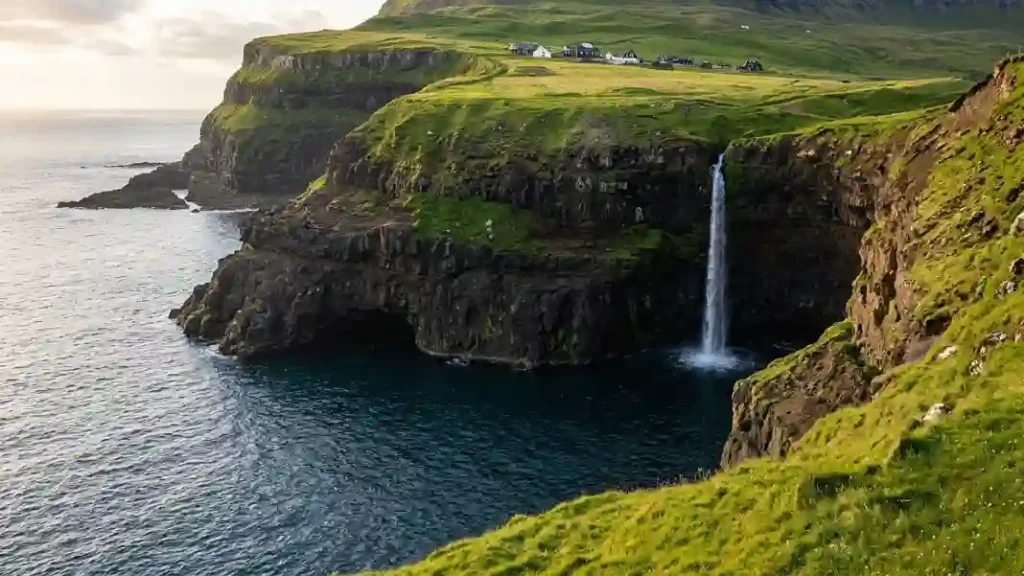
A 7-day Faroe Islands itinerary provides enough time to experience the major attractions while discovering hidden gems beyond the typical tourist route.
Days 1–5 Overview
Follow the complete 5-day Faroe Islands itinerary, including:
- Tórshavn
- Nolsoy
- Kirkjubøur
- Saksun
- Tjørnuvík
- Gjógv
- Vágar Island
- Kalsoy
- Kallur Lighthouse
- Mykines
Day 6 – Sandoy Exploration
Sandoy offers a quieter side of the Faroe Islands and is perfect for travelers seeking a slower pace.
Scenic Villages
Explore:
- Sandur
- Skálavík
- Húsavík
- Dalur
These villages showcase traditional Faroese culture and beautiful landscapes.
Coastal Views
Sandoy’s coastline features:
- Sea cliffs
- Rolling hills
- Sandy beaches
- Panoramic ocean views
The island feels much less crowded than the more famous destinations.
Hidden Attractions
Don’t miss:
- Historic churches
- Coastal walking paths
- Remote viewpoints
- Traditional Faroese farms
This area is ideal for travelers interested in hidden gems in the Faroe Islands.
Day 7 – Hidden Gems and Scenic Drives
Your final day focuses on lesser-known destinations that many visitors overlook.
Funningur
Located on Eysturoy, Funningur is surrounded by mountains and dramatic landscapes.
Highlights include:
- Traditional village architecture
- Scenic fjord views
- Peaceful atmosphere
Fuglafjørður
This colorful fishing town offers:
- Harbor views
- Local cafés
- Mountain scenery
- Cultural attractions
It’s a fantastic stop for travelers looking to experience local life.
Bøur
Often overshadowed by nearby Gásadalur, Bøur offers some of the most beautiful views in the country.
From here, you can enjoy:
- Ocean panoramas
- Sea stack views
- Excellent photography opportunities
Lesser-Known Photography Spots
End your trip by exploring several underrated photography locations:
- Elduvík
- Norðradalur
- Viðareiði viewpoints
- Remote coastal roads
- Hidden waterfalls
These locations help create a more complete Faroe Islands travel guide experience and allow visitors to discover areas beyond the typical tourist route.
After seven days, you’ll have experienced many of the best places to visit in the Faroe Islands, from famous landmarks and scenic hikes to peaceful villages and unforgettable coastal landscapes.
Best Places to Visit in the Faroe Islands
One of the reasons a Faroe Islands itinerary is so rewarding is the incredible variety of attractions packed into a relatively small area. From dramatic waterfalls and towering sea cliffs to colorful villages and remote hiking trails, every island offers something unique.
Whether you’re planning a 3-day Faroe Islands itinerary, a full 7-day road trip, or a longer adventure, the destinations below deserve a place on your travel list.
Must-See Attractions in the Faroe Islands
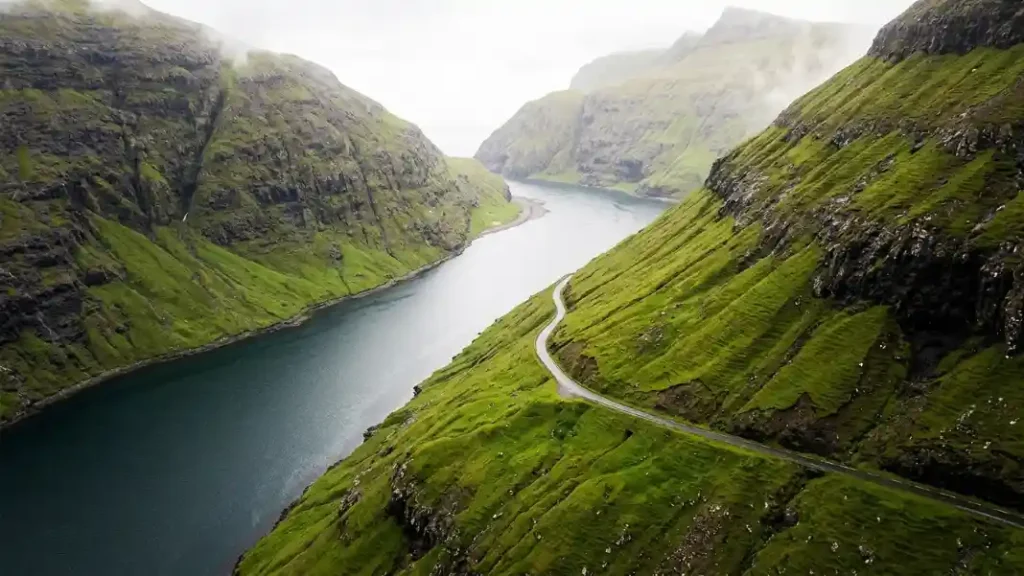
These iconic locations are considered some of the best places to visit in the Faroe Islands and are featured in most successful Faroe Islands road trip itineraries.
Múlafossur Waterfall
Few places represent the Faroe Islands better than Múlafossur Waterfall. Located beside the picturesque village of Gásadalur, this spectacular waterfall drops directly into the Atlantic Ocean, creating one of the most photographed scenes in the country.
Why visit:
- One of the most famous landmarks in the Faroe Islands
- Easy access from the parking area
- Incredible sunrise and sunset photography
- Stunning coastal scenery
This attraction is often the highlight of many Faroe Islands travel itineraries.
Kallur Lighthouse
Perched on the northern tip of Kalsoy, Kallur Lighthouse offers one of the most dramatic viewpoints in the North Atlantic.
The lighthouse sits on a narrow ridge surrounded by steep cliffs and endless ocean views. Reaching it requires a scenic hike, but the reward is one of the most unforgettable landscapes in the Faroe Islands.
Highlights include:
- Panoramic coastal views
- Dramatic sea cliffs
- Excellent hiking opportunities
- World-class photography locations
Sørvágsvatn Lake
Often referred to as the “floating lake,” Sørvágsvatn Lake is one of the most unique natural attractions in the Faroe Islands.
From certain viewpoints, the lake appears to hover above the ocean due to a fascinating optical illusion.
Reasons to visit:
- Famous hiking trail
- Incredible viewpoints
- Beautiful coastal scenery
- One of the most photographed locations in the country
No Faroe Islands itinerary for first-timers is complete without this hike.
Saksun Village
Surrounded by mountains and overlooking a peaceful lagoon, Saksun is one of the most picturesque villages in the Faroe Islands.
The village is known for:
- Traditional turf-roof houses
- Scenic landscapes
- Quiet atmosphere
- Excellent photography opportunities
Saksun is particularly beautiful during the early morning when crowds are minimal and the light is soft.
Gjógv
Located on the island of Eysturoy, Gjógv is famous for its natural sea-filled gorge, which gives the village its name.
Visitors come here for:
- Coastal views
- Charming village streets
- Hiking opportunities
- Scenic viewpoints
It’s one of the best places to experience traditional Faroese village life.
Tórshavn
As the capital of the Faroe Islands, Tórshavn combines history, culture, and modern conveniences.
Top attractions include:
- Tinganes Old Town
- Harbor area
- Local restaurants
- Historic buildings
- Museums and galleries
Many travelers use Tórshavn as the base for their Faroe Islands road trip because of its central location.
Mykines
Known as the “Puffin Island,” Mykines is one of the most famous wildlife destinations in the Faroe Islands.
The island is especially popular during summer when thousands of puffins nest along the cliffs.
Highlights include:
- Puffin colonies
- Scenic hiking trails
- Lighthouse viewpoints
- Dramatic coastal landscapes
For nature lovers, Mykines is one of the most memorable stops in any Faroe Islands travel guide.
Kalsoy
Long and narrow, Kalsoy is one of the most dramatic islands in the archipelago.
Visitors are drawn to:
- Kallur Lighthouse
- Scenic ferry journey
- Rugged landscapes
- Quiet villages
- Coastal hiking trails
Kalsoy is a must-visit destination for anyone interested in hiking and photography.
Hidden Gems Most Tourists Miss
While famous attractions deserve their reputation, some of the most rewarding experiences come from exploring lesser-known destinations.
These hidden gems help create a more unique Faroe Islands itinerary and often provide a quieter experience.
Funningur
Nestled beside a scenic fjord, Funningur is surrounded by mountains and peaceful landscapes.
Why visit:
- Traditional Faroese architecture
- Beautiful fjord views
- Quiet atmosphere
- Excellent photography opportunities
Fuglafjørður
This colorful fishing town offers a glimpse into everyday life in the Faroe Islands.
Highlights include:
- Harbor views
- Local cafés
- Scenic mountain backdrop
- Cultural attractions
It’s an excellent stop for travelers looking to go beyond the typical tourist route.
Nolsoy
Just a short ferry ride from Tórshavn, Nolsoy feels like a world away from the mainland.
Visitors enjoy:
- Hiking trails
- Birdwatching
- Peaceful village atmosphere
- Coastal scenery
The island is often overlooked despite being one of the easiest hidden gems to visit.
Bøur
Located near Gásadalur, Bøur offers some of the most beautiful viewpoints in the Faroe Islands.
Many photographers visit specifically for:
- Ocean panoramas
- Sea stack views
- Traditional village scenery
- Sunset photography
Elduvík
One of the most charming villages in the Faroe Islands, Elduvík is known for its peaceful setting and beautiful coastline.
Reasons to visit:
- Quiet roads
- Scenic coastal walks
- Authentic local atmosphere
- Excellent photography opportunities
Best Photography Locations in the Faroe Islands
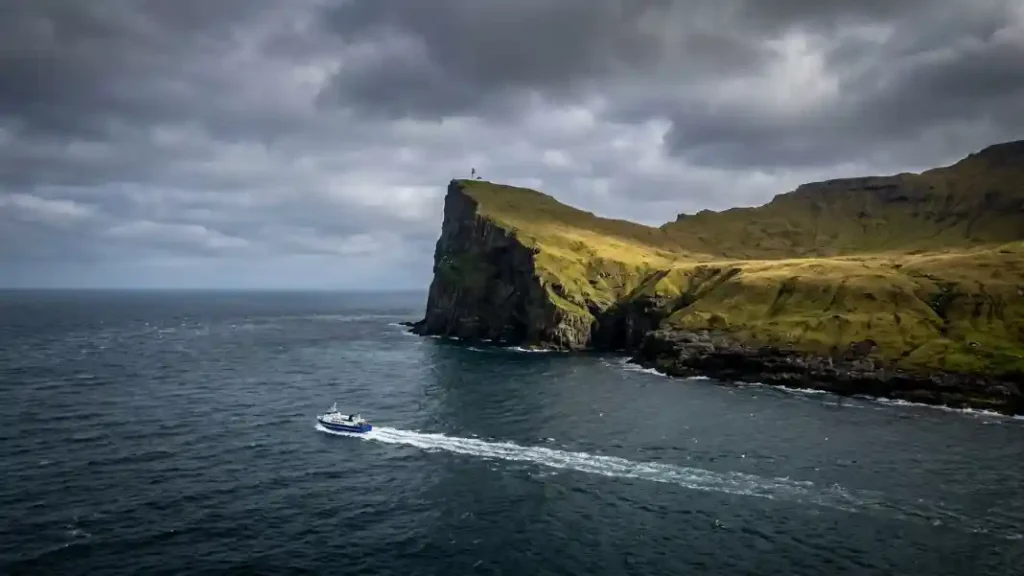
The Faroe Islands are a dream destination for photographers. Dramatic weather, rugged landscapes, and remote villages provide endless opportunities for capturing unforgettable images.
Best Sunrise Spots
For sunrise photography, consider visiting:
- Múlafossur Waterfall
- Gásadalur
- Sørvágsvatn viewpoints
- Bøur
- Saksun Lagoon
Early mornings often provide calm conditions and fewer visitors.
Best Sunset Spots
Some of the best sunset locations include:
- Tjørnuvík
- Mykines
- Kalsoy
- Norðradalur
- Coastal viewpoints near Tórshavn
Golden-hour lighting can transform these already stunning landscapes.
Best Drone Photography Locations
Drone photographers will appreciate:
- Kallur Lighthouse
- Saksun
- Sørvágsvatn Lake
- Gásadalur
- Sandoy coastline
Always check local regulations and weather conditions before flying.
Most Instagrammable Places
If you’re searching for the most recognizable Faroe Islands photography spots, add these locations to your list:
- Múlafossur Waterfall
- Kallur Lighthouse
- Sørvágsvatn Lake
- Saksun Village
- Bøur
- Mykines
- Tjørnuvík
These destinations frequently appear in travel magazines and social media content.
Best Hikes in the Faroe Islands
The Faroe Islands are one of Europe’s best hiking destinations. Trails range from easy coastal walks to challenging mountain routes with incredible panoramic views.
Kallur Lighthouse Hike
Difficulty: Moderate
This iconic hike leads to one of the most photographed viewpoints in the Faroe Islands.
Why it’s worth it:
- Spectacular cliff views
- Ocean panoramas
- Unforgettable photography opportunities
Many travelers consider it the best hike in the country.
Sørvágsvatn Hike
Difficulty: Easy to Moderate
This trail leads to the famous optical illusion viewpoint overlooking Sørvágsvatn Lake.
Highlights include:
- Stunning scenery
- Accessible route
- Excellent viewpoints
- Great photography opportunities
It’s one of the most popular hikes in any Faroe Islands road trip itinerary.
Slættaratindur Hike
Difficulty: Moderate to Challenging
At 880 meters, Slættaratindur is the highest mountain in the Faroe Islands.
Visitors who reach the summit are rewarded with:
- Panoramic island views
- Incredible landscapes
- One of the most rewarding hiking experiences in the archipelago
On exceptionally clear days, some hikers claim they can see Iceland on the horizon.
Mykines Hiking Trail
Difficulty: Moderate
The trail connecting Mykines village with the lighthouse is one of the most scenic walks in the country.
Expect:
- Puffin sightings
- Coastal cliffs
- Ocean views
- Lighthouse photography opportunities
For nature lovers, this is one of the most memorable hikes in the entire Faroe Islands travel guide.
Whether you’re interested in waterfalls, wildlife, photography, hiking, or charming villages, these destinations showcase exactly why the Faroe Islands continue to be one of Europe’s most extraordinary travel destinations.
Accommodation, Budget & Practical Information
A successful Faroe Islands itinerary is about more than choosing attractions and scenic drives. Knowing where to stay, how much to budget, what to pack, and how to prepare for local conditions can make your trip smoother and more enjoyable. Whether you’re planning a Faroe Islands road trip, traveling without a car, or visiting for the first time, these practical tips will help you get the most from your adventure.
Where to Stay in the Faroe Islands
Choosing the right base can save time and make it easier to explore the islands efficiently. Your ideal location depends on your travel style and itinerary length.
Best Base for First-Time Visitors
For most travelers, Tórshavn is the best place to stay.
Benefits include:
- Central location
- Wide range of accommodations
- Restaurants and cafés
- Easy access to major attractions
- Excellent transport connections
Tórshavn works especially well for travelers following a 3-day or 5-day Faroe Islands itinerary.
Best Base for Road Trips
If you’re planning a Faroe Islands self-drive itinerary, Tórshavn remains one of the most practical bases.
However, travelers exploring multiple islands may also consider:
- Klaksvík
- Sørvágur
- Vestmanna
These locations reduce driving times to nearby attractions and provide convenient access to ferries and tunnels.
Best Place Without a Car
Visitors following a Faroe Islands itinerary without a car should stay in Tórshavn.
The capital offers:
- Bus connections
- Ferry access
- Guided tour departures
- Restaurants and shops within walking distance
It is by far the easiest place to navigate using public transportation.
Best Budget Accommodation Areas
Travelers looking to reduce costs can often find affordable guesthouses and vacation rentals in:
- Tórshavn outskirts
- Klaksvík
- Sandoy
- Eysturoy villages
Booking early is one of the best ways to secure lower prices, especially during summer.
Best Luxury Hotels
For travelers seeking a premium experience, several upscale hotels offer:
- Waterfront views
- Modern amenities
- Fine dining
- Comfortable rooms
Many luxury properties are located in and around Tórshavn, making them convenient bases for exploring the islands.
Faroe Islands Without a Car
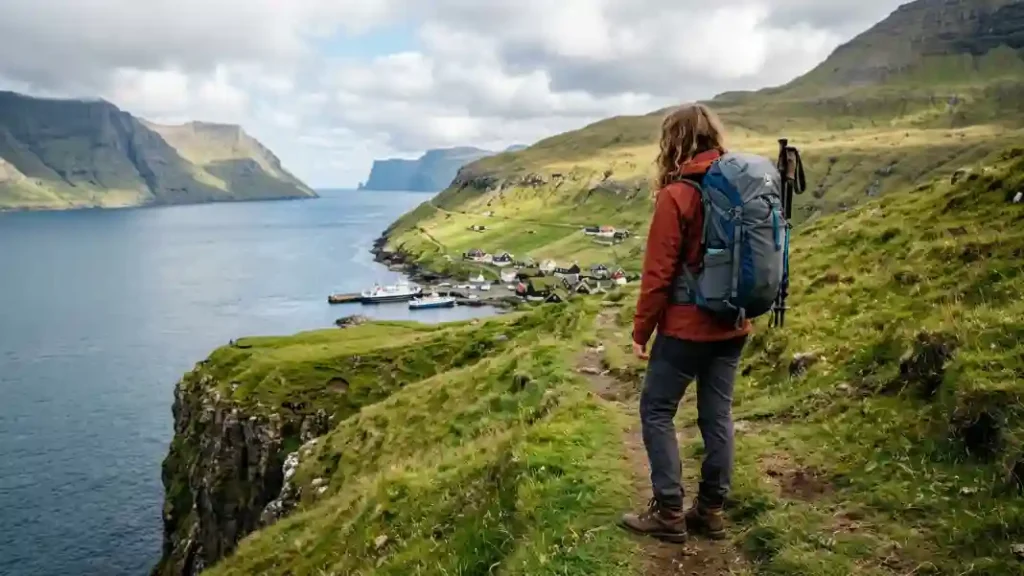
Although renting a vehicle is the most popular way to explore the islands, it is entirely possible to enjoy a Faroe Islands travel itinerary without driving.
Public Bus Network
The Faroe Islands have a reliable public bus system connecting many major towns and villages.
Advantages include:
- Affordable transportation
- Comfortable buses
- Connections to key destinations
- Easy access from Tórshavn
Many visitors are surprised by how extensive the bus network is for such a small destination.
Ferry Network
Ferries play an important role in connecting the islands.
Popular ferry destinations include:
- Mykines
- Kalsoy
- Nolsoy
- Sandoy
Checking schedules in advance is important, especially during peak travel periods.
Guided Tours
Guided tours are an excellent alternative for travelers who prefer not to drive.
Benefits include:
- Transportation included
- Local guides
- Simplified logistics
- Access to major attractions
Many visitors combine buses, ferries, and guided tours to create a flexible Faroe Islands itinerary without driving.
Sample No-Car Itinerary
A simple no-car itinerary could include:
Day 1
- Explore Tórshavn
- Visit Kirkjubøur by bus
Day 2
- Guided tour to Saksun, Tjørnuvík, and Gjógv
Day 3
- Ferry to Mykines or Nolsoy
This approach allows travelers to experience many highlights without renting a vehicle.
Sample Faroe Islands Budget Breakdown
The cost of a Faroe Islands vacation depends largely on your accommodation choices, transportation preferences, and travel style.
Budget Traveler
Estimated Daily Cost: $100–$180
Typical expenses include:
- Guesthouses
- Public transportation
- Grocery store meals
- Limited guided tours
This option works well for backpackers and budget-conscious travelers.
Mid-Range Traveler
Estimated Daily Cost: $180–$350
Typical expenses include:
- Comfortable hotels
- Rental car
- Restaurant meals
- Multiple attractions and activities
Most visitors fall into this category when planning a Faroe Islands road trip itinerary.
Luxury Traveler
Estimated Daily Cost: $350+
Typical expenses include:
- Premium hotels
- Fine dining
- Private tours
- Higher-end transportation options
Luxury travelers enjoy greater flexibility and comfort throughout their trip.
Faroe Islands Packing List
Packing correctly is essential because weather conditions can change quickly throughout the day.
Clothing Essentials
Bring:
- Waterproof jacket
- Waterproof pants
- Warm layers
- Thermal clothing
- Gloves and hat
- Comfortable walking shoes
Layering is one of the most important travel strategies in the Faroe Islands.
Hiking Gear
If your Faroe Islands itinerary includes hiking, consider packing:
- Hiking boots
- Trekking poles
- Daypack
- Reusable water bottle
- Weatherproof backpack cover
Proper gear can make hiking safer and more enjoyable.
Photography Equipment
Photographers should consider bringing:
- Wide-angle lens
- Extra memory cards
- Spare batteries
- Tripod
- Lens cleaning cloth
The islands offer some of the best Faroe Islands photography locations, so being prepared is worthwhile.
Travel Accessories
Helpful items include:
- Portable charger
- Universal adapter
- Sunglasses
- Dry bags
- Travel insurance documents
These small items can make your trip more comfortable.
Common Mistakes to Avoid in the Faroe Islands
Even experienced travelers make mistakes when visiting the islands for the first time.
Ignoring Weather Forecasts
Weather can change quickly throughout the day.
Always:
- Check forecasts regularly
- Carry waterproof clothing
- Build flexibility into your plans
This is one of the most important lessons for any Faroe Islands travel guide.
Not Budgeting for Tunnel Fees
Many first-time visitors focus on accommodation and transportation costs but forget about tunnel charges.
When planning a Faroe Islands budget guide, always include tunnel fees in your calculations.
Booking Accommodation Too Late
Summer is the busiest season.
Waiting too long to book accommodations can result in:
- Higher prices
- Limited availability
- Fewer location choices
Reserve early whenever possible.
Overloading Your Daily Itinerary
One common mistake is trying to visit too many attractions in a single day.
Allow time for:
- Photography stops
- Weather changes
- Ferry schedules
- Unexpected discoveries
A flexible schedule often leads to a better experience.
Underestimating Hiking Conditions
Many trails appear easy on paper but can become challenging due to weather and terrain.
Always:
- Wear proper footwear
- Check trail conditions
- Carry extra layers
- Respect local safety advice
Preparation is essential for a successful Faroe Islands hiking itinerary.
Practical Travel Tips for First-Time Visitors
These simple tips can help make your trip smoother and more enjoyable.
Internet and SIM Cards
Mobile coverage is generally excellent throughout the islands.
Travelers can:
- Use international roaming
- Purchase a local SIM card
- Access Wi-Fi at many hotels and cafés
Reliable connectivity makes navigation and travel planning much easier.
Cash vs Card Payments
Credit and debit cards are widely accepted across the Faroe Islands.
Most visitors rarely need cash, although carrying a small amount can be useful in remote locations.
Safety Tips
The Faroe Islands are considered one of the safest destinations in Europe.
Basic safety recommendations include:
- Following marked trails
- Respecting weather warnings
- Driving carefully on rural roads
- Wearing appropriate clothing
Common sense and preparation are usually all that’s needed.
Responsible Tourism Guidelines
The islands’ natural beauty depends on responsible visitors.
Remember to:
- Stay on designated paths
- Respect private property
- Take all litter with you
- Support local businesses
Responsible travel helps preserve the environment for future generations.
Hiking Etiquette
When hiking in the Faroe Islands:
- Close gates behind you
- Respect grazing sheep
- Follow marked routes
- Avoid disturbing wildlife
- Be courteous to local residents
Good hiking etiquette ensures that trails remain accessible and enjoyable for everyone.
By planning ahead, budgeting carefully, and staying flexible, you’ll be well prepared to enjoy an unforgettable Faroe Islands trip, whether you’re following a 3-day itinerary, a 7-day road trip, or a longer adventure across these remarkable islands.
Frequently Asked Questions
How Many Days Do You Need in the Faroe Islands?
The ideal length of a Faroe Islands itinerary depends on your travel style and interests. A 3-day Faroe Islands itinerary is enough to see major highlights such as Tórshavn, Saksun, Gjógv, Gásadalur, and Sørvágsvatn Lake. However, most travelers find that 5 to 7 days provides a much better balance between sightseeing, hiking, photography, and exploring hidden gems. If you enjoy slow travel, spending 10 days or more allows you to experience remote islands and lesser-known villages at a relaxed pace.
Is 5 Days Enough for the Faroe Islands?
Yes, 5 days in the Faroe Islands is enough for most first-time visitors. A well-planned 5-day Faroe Islands itinerary allows you to visit many of the country’s top attractions, including Múlafossur Waterfall, Saksun, Gjógv, Kalsoy, Kallur Lighthouse, and Mykines. You’ll also have time to enjoy scenic drives, short hikes, and local culture without feeling rushed.
Do You Need a Car in the Faroe Islands?
No, you do not necessarily need a car, but having one offers the most flexibility. A rental car makes it easier to follow a Faroe Islands road trip itinerary, visit remote villages, and stop at scenic viewpoints whenever you want. However, travelers can also explore many areas using buses, ferries, and guided tours. If you prefer not to drive, it’s still possible to enjoy a Faroe Islands itinerary without a car.
What Is the Best Month to Visit?
For most travelers, July and August are considered the best months to visit the Faroe Islands. During this period, you’ll experience longer daylight hours, milder weather, and excellent hiking conditions. If you prefer fewer crowds and dramatic landscapes, May, September, and October are also fantastic choices for a Faroe Islands trip.
Are the Faroe Islands Expensive?
Yes, the Faroe Islands are generally considered one of the more expensive destinations in Europe. Accommodation, dining, transportation, and rental cars can cost more than in many other countries. However, careful planning and budgeting can help reduce expenses. Many travelers find that the stunning scenery, peaceful atmosphere, and unique experiences make the cost worthwhile.
Can You Visit the Faroe Islands Without a Car?
Absolutely. While many visitors choose a self-drive adventure, it is possible to complete a Faroe Islands itinerary without a car. The islands have a reliable public transportation system that includes buses and ferries connecting major towns and villages. Guided tours are also available for many popular attractions, making it easy for non-drivers to explore the archipelago.
What Should You Pack for the Faroe Islands?
Weather conditions can change quickly, so packing layers is essential. Your Faroe Islands packing list should include:
- Waterproof jacket
- Waterproof pants
- Warm layers
- Comfortable hiking boots
- Gloves and hat
- Daypack
- Portable charger
- Camera equipment
Even during summer, it’s wise to prepare for rain, wind, and cooler temperatures.
Are the Faroe Islands Family Friendly?
Yes, the Faroe Islands are very family friendly. The islands are known for their safety, peaceful atmosphere, and welcoming communities. Families can enjoy scenic drives, wildlife watching, easy nature walks, and cultural attractions throughout the islands. While some hiking trails may be challenging for younger children, there are plenty of accessible destinations suitable for travelers of all ages.
Whether you’re planning a 3-day Faroe Islands itinerary, a week-long Faroe Islands road trip, or a longer adventure, the islands offer a unique blend of natural beauty, outdoor activities, and unforgettable experiences. With proper planning and a flexible schedule, you’ll be well prepared to enjoy one of Europe’s most remarkable travel destinations.
Conclusion
The Faroe Islands may be small in size, but they offer an incredible variety of experiences, from dramatic cliffs and cascading waterfalls to charming villages and unforgettable hiking trails. Whether you’re following a 3-day Faroe Islands itinerary, extending your trip to 5 days, or exploring the islands over a full 7-day road trip, you’ll discover breathtaking landscapes around every corner.
From iconic attractions like Múlafossur Waterfall, Sørvágsvatn Lake, and Kallur Lighthouse to hidden gems such as Funningur, Bøur, and Elduvík, the islands provide the perfect balance of adventure, nature, and tranquility. With excellent infrastructure, scenic driving routes, and opportunities for both independent travel and guided experiences, planning a Faroe Islands itinerary is easier than many travelers expect.
The key to a successful trip is staying flexible, preparing for changing weather, and allowing enough time to truly enjoy the islands rather than rushing between attractions. Whether you’re visiting for the stunning photography, world-class hiking, puffin watching, or simply to experience one of Europe’s most unique destinations, the Faroe Islands are a place that leaves a lasting impression.
Start planning your Faroe Islands trip today, and get ready to experience dramatic landscapes, unforgettable road trips, and some of the most spectacular scenery in the North Atlantic.
